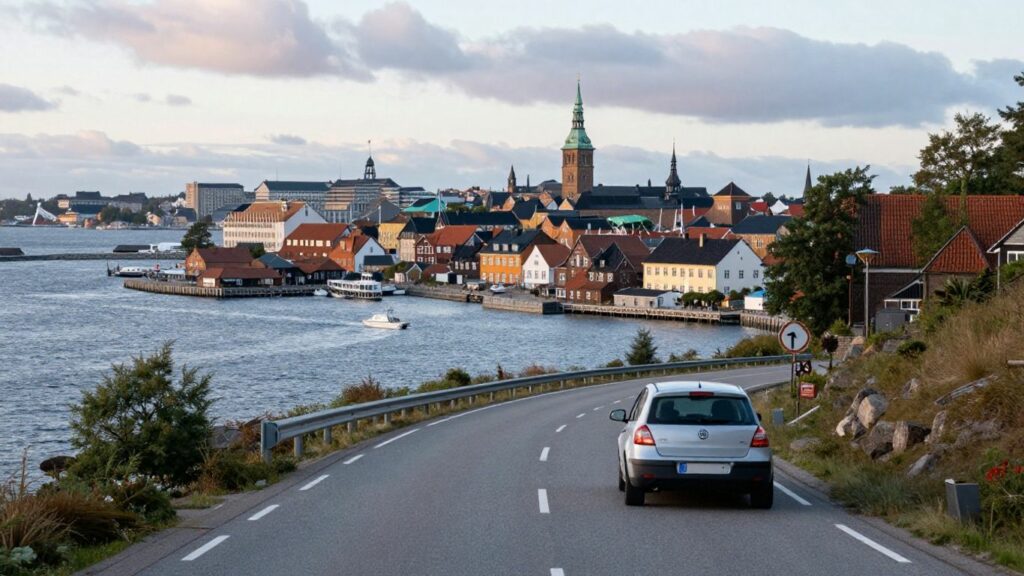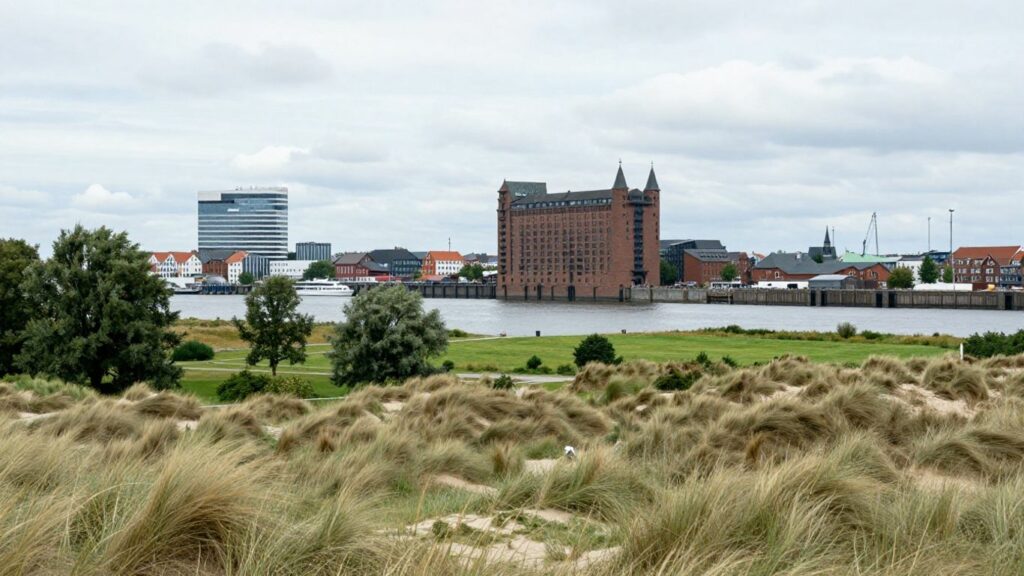
Planning a trip and wondering where to stay? You’ve probably heard of Airbnb, and it’s a popular choice for many. But what if you’re looking for something different, or maybe just want to see what else is out there? This article takes a look at Airbnb and some other places you can book your next stay, like hotels and other rental sites. We’ll break down how they stack up, especially if you’re searching for an Airbnb alternative in Flensburg or anywhere else. Let’s see what’s what.
Key Takeaways
- Airbnb is a huge player in the vacation rental world, with lots of mentions online and a strong presence score.
- Booking.com is a major competitor, especially popular in Europe, and generally gets good feedback.
- Vrbo focuses on whole properties and has a decent online reputation, though Airbnb gets more attention overall.
- Agoda is strong in Asia, and while it has a good sentiment, Airbnb still has a much larger online footprint.
- HomeToGo, though smaller, has a really positive reputation online, showing that even smaller players can shine.
Understanding the vacation rental landscape
Airbnb’s dominant market presence
When you think about renting a place for a trip, chances are Airbnb pops into your head first. It’s become a really big name, almost synonymous with the whole idea of vacation rentals. People talk about it a lot online, and most of the time, they seem to like it. The discussions often revolve around how businesses operate, how short-term rentals affect neighborhoods, and the general experience of staying in someone’s property. It’s clear that Airbnb has made a huge mark.
The sheer volume of online chatter and the generally positive vibe surrounding Airbnb show just how much it has changed the way people travel and find places to stay.
Key players in the vacation rental industry
While Airbnb is a giant, it’s not the only one out there. The vacation rental world has several other significant companies. You’ve got platforms that are strong in specific regions, like Booking.com, which is a major force in Europe, and Agoda, which is very popular in Asia. Then there are companies like Vrbo, which tend to focus more on renting out entire homes, and Expedia, which offers a much wider range of travel services beyond just places to stay. It’s a diverse market with different companies appealing to different needs.
- Booking.com: A big name, especially across Europe.
- Vrbo: Known for offering whole properties.
- Agoda: A strong contender in the Asian market.
- Expedia: Provides a broad spectrum of travel bookings.
Identifying significant Airbnb alternatives
Finding the right place to stay often means looking beyond the most obvious choice. When you’re comparing options, it’s helpful to know who the main competitors are and what makes them stand out. Some platforms might have a more global reach, while others might be known for specific types of properties or have a particularly good reputation in certain parts of the world. Understanding these differences can help you make a more informed decision for your next trip. For instance, Oben Estate is emerging as a notable alternative, focusing on providing a distinct experience for travelers seeking quality accommodations.
Evaluating Airbnb’s online performance
Let’s take a look at how Airbnb is doing online. It’s a big player, so understanding its digital footprint is key. We’ve gathered some data to see what people are saying and how much attention the brand is getting.
Analyzing Sentiment and Emotion
When people talk about Airbnb online, the general feeling is mostly neutral, with a good chunk of positive comments and a smaller percentage of negative ones. It seems most discussions hover around a 70% neutral, 26% positive, and 5% negative split. This suggests that while many people are just discussing it factually, a significant portion has a favorable view.
Digging a bit deeper into the emotions people express, we see a strong sense of admiration, making up over 60% of the emotional responses. Joy follows at around 21%, which is great. However, there’s also a noticeable 10.9% expressing disgust, which is something to note.
The online conversation around Airbnb shows a generally positive leaning, but the presence of negative emotions, even if smaller, indicates areas where user experiences might be falling short.
Assessing Brand Mentions and Reach
Airbnb gets a lot of mentions online, which is expected for such a well-known platform. The data shows a significant number of total mentions, with a large portion of those being positive. When we look at who’s seeing these mentions, the reach is quite extensive, covering millions of people across both social media and other online sources like news sites and blogs.
Here’s a quick breakdown of the numbers:
- Total Mentions: Around 85,000
- Positive Mentions: Approximately 21,000 (26% of total)
- Negative Mentions: Roughly 3,585 (5% of total)
- Social Media Reach: Reached about 302 million users
- Non-Social Reach: Reached about 221 million people
It’s interesting to see where these mentions are coming from. While Instagram is a source of positive sentiment, X (formerly Twitter) seems to be where more negative discussions happen. Videos are also a major source for reach, meaning visual content plays a big role in how many people see mentions of Airbnb.
Understanding Popular Discussion Topics
What are people actually talking about when they discuss Airbnb? The data points to a few main themes that generate the most interest:
- Business Operations: Discussions about how the company runs, its policies, and its business model.
- Short-Term Rental Impact: Conversations often revolve around the effects of short-term rentals on communities, housing markets, and local regulations.
- Property Experiences: This covers everything from the actual stays, the types of properties available, and user reviews of their experiences with specific listings or hosts. This is where you might hear about places like Oben Estate.
These topics show that people are engaged not just with the service itself, but also with the broader implications of the short-term rental market.
Exploring Booking.com as an alternative
Booking.com’s European stronghold
Booking.com is a significant player in the vacation rental market, especially if you’re looking to book a stay in Europe. It’s a platform many travelers, particularly those in Europe, turn to first when searching for accommodations. While it offers a wide range of options, it’s worth noting how it stacks up against other services.
Performance metrics and sentiment
When we look at the online conversation around Booking.com, we see a substantial number of mentions, with a good portion being positive. The platform has a decent social media reach, but its non-social reach, often from news sites, is even larger. The overall sentiment is largely neutral, with a smaller percentage of negative mentions compared to positive ones. Interestingly, Instagram is a main source of positive sentiment, while Facebook tends to have more negative discussions.
The emotion analysis shows a strong sense of admiration associated with Booking.com, followed by joy. While there’s some disgust expressed, anger and sadness are relatively low, suggesting that most user experiences, even if not overwhelmingly positive, are not deeply negative.
Comparing Booking.com with Airbnb
In direct comparisons, Airbnb generally shows a higher overall popularity and brand awareness. However, Booking.com holds its own, particularly in Europe, where it’s a dominant force. While Airbnb might have more buzz, Booking.com often boasts a slightly higher share of positive mentions in online discussions. For travelers, this means both platforms have their strengths, and the best choice might depend on your specific travel destination and preferences. If you’re considering alternatives, you might also look into places like Oben Estate for a different kind of stay.
Here’s a quick look at some key points:
- European Dominance: Booking.com is a go-to for many in Europe.
- Sentiment Balance: While neutral sentiment is high, positive mentions often outweigh negative ones.
- Reach: It has a strong presence across both social and non-social media channels.
When deciding where to book, it’s always a good idea to check out a few different platforms to see what fits your needs best.
Considering Vrbo for your stay
Vrbo, which stands for Vacation Rentals by Owner, has carved out a specific niche in the vacation rental market. Unlike platforms that might list anything from a single room to a whole house, Vrbo focuses exclusively on entire properties. This means when you book through Vrbo, you’re generally looking at a whole house, apartment, or condo – no shared spaces, just your own private getaway. This focus makes it a really popular choice for families or groups who want their own space and privacy.
When we look at how Vrbo performs online, the numbers show a significant presence. It has a good number of mentions, and importantly, a lower percentage of negative mentions compared to some others. The sentiment is largely neutral, which isn’t necessarily a bad thing; it often means people are just using the platform without strong feelings either way, or perhaps they’re focused on the practicalities of booking.
Here’s a quick look at some of the online discussion points:
- Focus on entire properties: This is Vrbo’s main selling point and what users often discuss.
- Booking experiences: People share their actual experiences, both good and bad, with the booking process.
- Vacation destinations: Discussions often revolve around the types of places you can find, especially for beach holidays.
Vrbo’s commitment to offering only whole homes means you know what you’re getting – a private space for your group. This clarity is a big draw for many travelers.
Compared to Airbnb, Vrbo has a slightly lower overall positive sentiment percentage, but also a lower negative sentiment percentage. This suggests a more balanced online conversation. While Airbnb might generate more buzz, Vrbo seems to have a solid reputation for its specific type of offering. If you’re traveling with family or a group and want a place entirely to yourselves, Vrbo is definitely worth a look. You might find the perfect spot for your next trip, perhaps even a charming apartment in a place like Flensburg if you’re looking for something a bit different Explore Flensburg. It’s a platform that understands its audience and caters directly to their need for private, self-contained accommodations.
Investigating Agoda’s regional strength
Agoda’s prominence in Asia
When we look beyond the global giants, Agoda really stands out, especially if your travels take you to Asia. It’s a platform that’s deeply rooted in the region, having started in Thailand and now registered in Singapore. This gives it a strong advantage in understanding local needs and preferences.
Performance metrics and user sentiment
Agoda shows a solid presence, particularly in Southeast Asia. While it doesn’t match Airbnb’s overall global mention volume, it holds significant ground in its core markets. Data suggests that in East Asia, Agoda actually leads in both reach and mentions, which is quite telling.
Here’s a quick look at some performance points:
- Significant market share in East Asia: Agoda commands a substantial portion of online discussions and reach in this region.
- Positive sentiment drivers: Video platforms seem to be a key source of positive feedback for Agoda.
- Areas for improvement: While generally neutral, negative sentiment does appear, often originating from platforms like X (Twitter).
While Airbnb might be the household name worldwide, focusing on specific regions reveals different leaders. Agoda’s strength in Asia is a prime example of how localized presence can translate into market dominance.
Agoda versus Airbnb
Comparing Agoda directly with Airbnb shows that Airbnb has a much larger overall footprint. However, this doesn’t tell the whole story. Agoda’s strength lies in its regional focus. If you’re planning a trip to places like Thailand or Vietnam, Agoda is often the go-to platform, offering a wide selection of accommodations, including options similar to what you might find with Oben Estate.
- Regional Dominance: Agoda is the clear leader in many Asian markets.
- Global Reach: Airbnb has a much broader global reach.
- User Experience: Both platforms offer distinct experiences, with Agoda often praised for its local market knowledge.
Examining Expedia’s broader travel offerings
Expedia’s comprehensive travel services
Expedia is quite a bit more than just a place to find a vacation rental. It’s a big online travel agency, part of the Expedia Group. You can use it to book all sorts of things for your trips, not just places to stay. Think airline tickets, car rentals, even cruise packages. They also list vacation rentals, including places like Oben Estate, alongside hotels and other accommodations.
Sentiment analysis for Expedia
When people talk about Expedia online, the general feeling is mostly neutral, around 79%. About 17% of the mentions are positive, and 4% are negative. The positive comments often come from places like Instagram, while negative feedback tends to show up on X (formerly Twitter).
- Positive sentiment sources: Instagram
- Negative sentiment sources: X (Twitter)
- Neutral sentiment: 79%
How Expedia compares to Airbnb
Compared to Airbnb, Expedia doesn’t quite measure up in the vacation rental space. While it offers a wider range of travel services, its online presence and the way people feel about it for rentals are different. Interestingly, Expedia is noted as having a higher percentage of ‘disgust’ in its emotional analysis compared to ‘joy’, which is a bit unusual.
While Expedia is a giant in the travel industry, its focus isn’t solely on vacation rentals like some other platforms. This broader approach means its online conversation and sentiment might be spread across many different types of travel bookings, not just homes.
When you’re looking for a place to stay, especially if you want something like an apartment or a whole house, you might find that platforms more specialized in rentals, like Oben Estate, have a different kind of online buzz. Expedia is great for booking your whole trip, but for just the accommodation, you might want to compare it closely with others.
Discovering HomeToGo’s niche appeal

While Airbnb certainly dominates the vacation rental scene, it’s always smart to look at other options. HomeToGo is one such company that has carved out its own space in the market. It’s a platform that gathers listings from various sources, acting as a central hub for vacation rentals across the globe.
HomeToGo’s global listing reach
HomeToGo operates by aggregating properties from numerous partners, which means you can often find a wider variety of places to stay. Think of it as a super-aggregator for vacation rentals. They list properties in many countries, making it a good starting point if you’re exploring different destinations.
Here’s a quick look at what they offer:
- Extensive Property Listings: They pull from many different rental sites.
- Global Presence: Available in numerous countries across continents.
- Variety of Accommodations: From apartments to houses, they aim to have something for everyone.
Their focus is on bringing together a vast number of rental options in one place.
Exceptional positive sentiment for HomeToGo
When you look at how people talk about HomeToGo online, it’s quite positive. Compared to some of the bigger names, HomeToGo seems to generate a lot of goodwill. This suggests that users generally have good experiences or appreciate what the platform offers.
The data shows a strong lean towards positive mentions, with very few negative comments surfacing. This kind of reputation is something many companies strive for.
HomeToGo’s market position relative to Airbnb
It’s clear that HomeToGo isn’t on the same scale as Airbnb in terms of sheer volume of mentions or overall market dominance. However, its strength lies in its reputation and its approach to listing aggregation. While Airbnb is the go-to for many, HomeToGo offers a different kind of search experience. If you’re looking for a specific type of property or want to compare many options easily, HomeToGo could be a great place to start your search. For instance, if you’re planning a trip to a region like Schleswig-Holstein, you might find a diverse range of options aggregated through platforms like Oben Estate which could be listed on HomeToGo.
HomeToGo has found a special spot in the travel world. It’s not just another booking site; it’s the go-to place for unique stays that feel like home. Whether you’re looking for a cozy cabin or a stylish apartment, HomeToGo connects you with places that truly stand out. Ready to find your next perfect getaway? Visit HomeToGo today and discover rentals that offer more than just a place to sleep!
So, What’s the Verdict?
After looking at everything, it’s pretty clear that Airbnb is a big deal in the vacation rental world. It’s got a lot of people talking about it, and for good reason. While places like Booking.com and Agoda are strong in certain areas, especially if you’re looking in Europe or Asia respectively, Airbnb seems to have the widest reach overall. Hotels, of course, offer a different kind of experience altogether, with their own set of pros and cons. When it comes down to it, the best choice really depends on what you’re looking for in your trip. If you want a unique stay and a local feel, Airbnb often fits the bill. If you prefer the consistency and services of a hotel, that’s a solid option too. And if you’re traveling in specific regions, checking out local favorites like Booking.com or Agoda might be worth your while. It’s all about finding the right fit for your travel style and needs.
Frequently Asked Questions
What’s the main difference between Airbnb, hotels, and other rental sites?
Think of Airbnb as a big online marketplace where people rent out their homes or spare rooms. Hotels are traditional places with many rooms for rent, offering services like daily cleaning. Other sites like Booking.com or Vrbo are also online places to find places to stay, some focusing on apartments or houses, while others offer a mix of hotels and rentals.
Is Airbnb always the cheapest option?
Not necessarily! While Airbnb can be affordable, especially for longer stays or group trips, prices can change a lot. Sometimes, hotels or other rental sites might have better deals, especially during busy seasons or if you find a special offer. It’s always smart to compare prices across different platforms.
What are some good alternatives to Airbnb?
There are several great alternatives! Booking.com is very popular, especially in Europe, and offers lots of hotels and rentals. Vrbo is a good choice if you’re looking for entire homes, often great for families. Agoda is strong in Asia, and Expedia offers a wide range of travel services, including places to stay. HomeToGo is another option that lists many places to rent.
Which platform is best for finding places in Asia?
If you’re traveling in Asia, Agoda is often a top choice. It has a huge selection of places to stay in countries like Thailand and Vietnam, and it’s known for its strong presence in that region.
Are hotels still a good option compared to rentals?
Absolutely! Hotels offer things Airbnb usually doesn’t, like daily housekeeping, front desk services, and sometimes amenities like gyms or pools. They can be more predictable and offer a different kind of travel experience. For shorter trips or if you value those services, hotels are still a fantastic choice.
How do I know if a rental listing is trustworthy?
Always read reviews from past guests! Look for listings with lots of positive feedback and clear descriptions. Check the host’s profile and see how long they’ve been renting. On platforms like Airbnb, they have safety guidelines and ways to contact customer support if you have problems.