Key Takeaways
The Flensburg Fjord is easiest to appreciate slowly, with time for both shores, historic towns, and changing coastal light.
- Explore Flensburg’s harbor, Old Town, and maritime heritage.
- Cross the German-Danish border for beaches, villages, and Danish culture.
- Allow two to four days for a relaxed first visit.
- Pack for wind, rain, sun, and activities on the water.
- Combine walking, cycling, local food, and quiet waterfront time.
Understanding the Flensburg Fjord and its unique setting
The Flensburg Fjord, or Flensburger Förde, reaches inland from the Baltic Sea between northern Germany and southern Denmark. Its sheltered water, rolling shoreline, and border location have shaped the region’s trade, architecture, language, and daily life. A good Flensburger Förde guide should therefore cover more than scenery: the cultural geography is part of the attraction.
Where the fjord is located and how it shapes the region
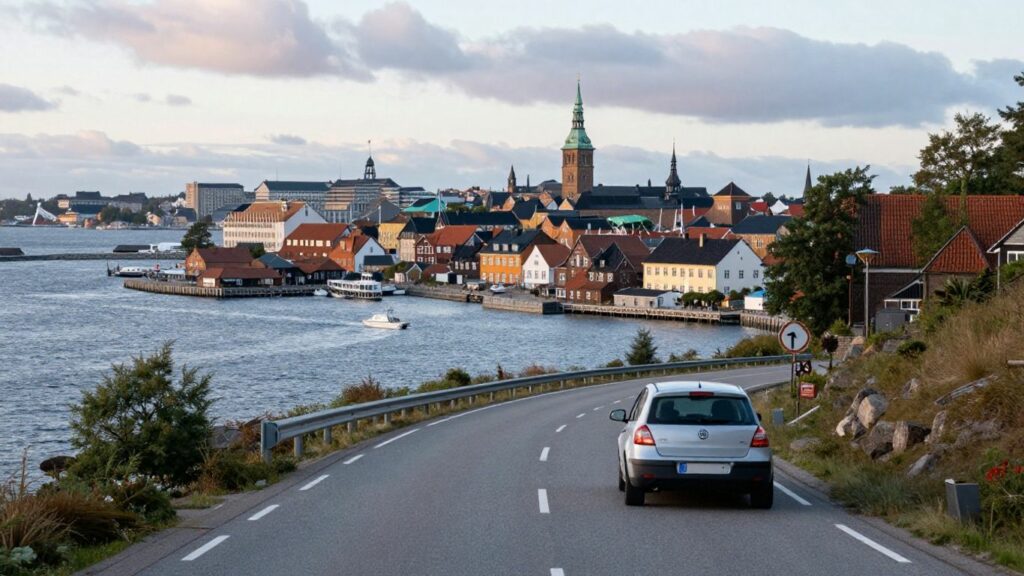
The fjord lies in Schleswig-Holstein, with Flensburg at its western end and the Danish coast forming much of its northern shore. The waterway creates a natural route toward the Baltic while giving the surrounding towns a distinctly maritime outlook. Its protected bays and inlets also make the coast feel gentler than the open sea, although wind and weather can still change quickly.
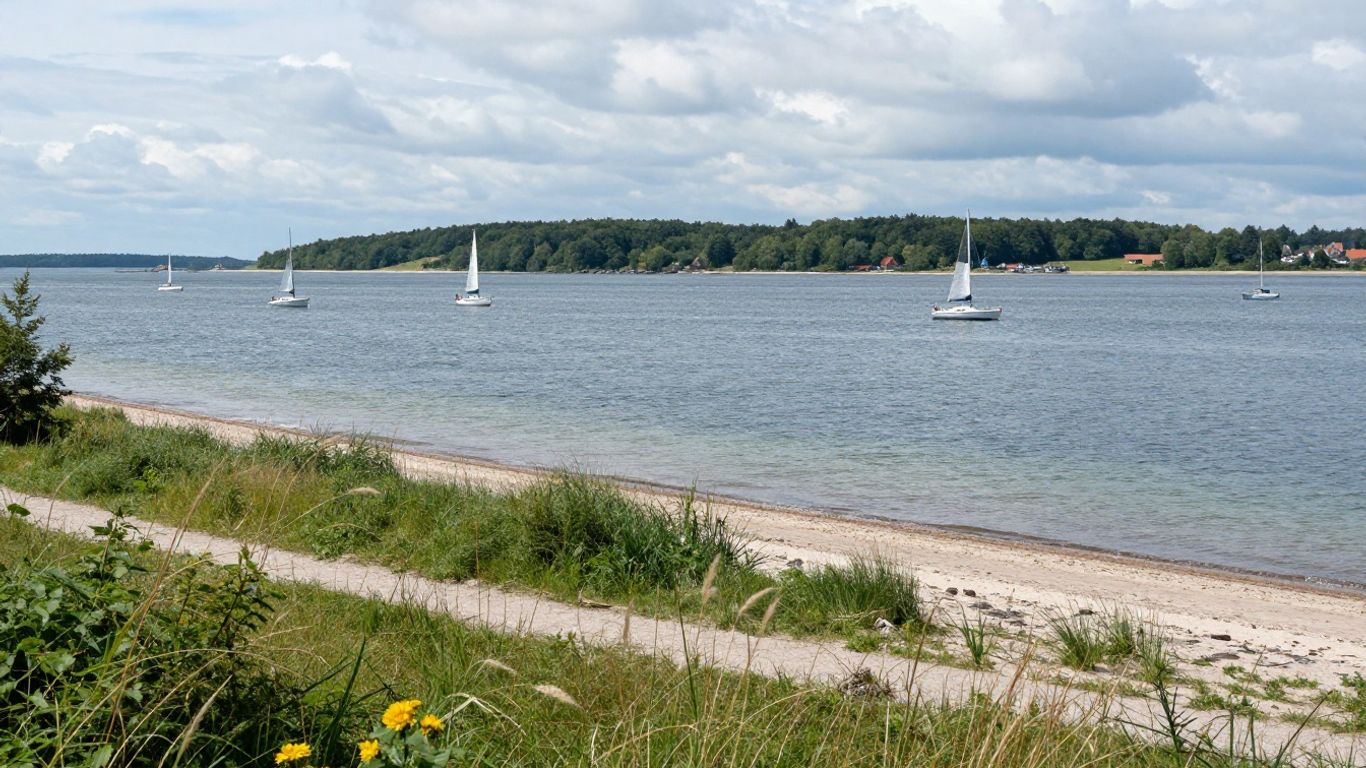
The shoreline is best understood as a series of connected landscapes rather than one single viewpoint. Harbors give way to wooded stretches, open fields, sandy beaches, and low cliffs, so even a short drive can feel varied.
The German-Danish border and the cultural character of the area
The international border is close to Flensburg, yet the region often feels interconnected rather than divided. German and Danish influences appear in food, place names, schools, architecture, and local traditions. Visitors may move between countries several times in one day without losing the sense that both shores belong to the same fjord community.
That mixture is especially noticeable in smaller settlements, where coastal calm sits alongside a long history of shifting political identities. A little curiosity about local names and customs adds depth to an otherwise scenic trip.
Key towns, villages, beaches, and viewpoints
Flensburg is the urban anchor, while Glücksburg offers castle grounds and waterfront scenery. On the Danish side, Sønderborg combines a lively harbor with historic sights, and smaller coastal communities provide quieter stops. Holnis, Drei, and the beaches near Flensburg are useful choices when you want open water, sand, and room to linger.
Rather than trying to see every place, choose a few contrasting stops. One town, one beach, and one long shoreline walk can create a more memorable day than a rushed circuit.
When to visit for weather, events, and seasonal experiences
Late spring and summer bring long daylight, active harbors, and the best conditions for swimming, paddling, and cycling. Early autumn often offers softer light and fewer visitors, while winter suits travelers who prefer museums, cafés, brisk walks, and seasonal markets. Coastal weather is changeable in every season, so a forecast should guide your plans without controlling them completely.
Events and opening hours vary from year to year. Check local tourism websites before traveling, particularly if a market, cruise, museum, or festival is central to your itinerary.
Planning your trip to the Flensburg Fjord
Planning is fairly straightforward once you decide whether the trip is centered on the city, the water, or the border landscape. Distances are manageable, but the fjord’s winding shoreline makes slow travel more rewarding than simply following the shortest route. Reserve time for unplanned stops, especially in good weather.
How many days to spend in the region
Two nights are enough for a compact introduction to Flensburg, one coastal excursion, and a taste of the Danish side. Three or four days allow for Glücksburg, Holnis, Sønderborg, and a longer outdoor activity without constant packing. A week works well if you want to mix day trips with sailing, cycling, beach time, and slower mornings.
A useful rhythm is to keep one flexible half-day in reserve. It can absorb rain, a delayed ferry, a particularly good walk, or the simple discovery that you would rather stay beside the water.
Choosing between Flensburg, Glücksburg, Sønderborg, and smaller coastal bases
Flensburg suits travelers who enjoy restaurants, shopping, historic streets, and a harbor atmosphere at the end of the day. Glücksburg is quieter and close to beaches and castle grounds, while Sønderborg is a strong Danish base for history, waterfront dining, and southern Jutland excursions. Smaller villages offer peace and direct access to the coast, but usually require more planning for meals and transport.
For a city-based stay, Oben Estate presents its location as a place where sea, city, and nature meet, with access to nearby Flensburg and Danish highlights. Choose a base according to your evenings as much as your daytime routes.
Getting there by car, train, bus, bicycle, and ferry
Flensburg is connected by rail and road, and local buses link the city with nearby communities. A car makes beaches and rural viewpoints easier to reach, while a bicycle is ideal for travelers following sections of the fjord route. Ferries and harbor boats, where operating, can turn transportation into part of the experience.
Before departure, check current schedules rather than relying on old timetables. If you arrive without a car, group attractions by area and allow extra time between connections.
Border-crossing essentials between Germany and Denmark
Germany and Denmark are both in the Schengen Area, but you should still carry a valid passport or national identity card. Temporary checks or local travel requirements can occur, and driving rules, parking systems, and public transport tickets may differ across the border. Keep your documents accessible and confirm the latest official guidance before setting out.
Currency also deserves a little thought. Cards are widely useful, but having a small amount of the relevant currency can make a rural purchase or public facility easier.
What to pack for coastal weather and outdoor activities
Bring layers, a wind-resistant outer shell, comfortable walking shoes, swimwear, and sun protection. A small dry bag helps protect phones and cameras during paddling or boat trips, while reflective details are sensible for cyclists in changing light. Even in summer, an extra warm layer earns its place after sunset.
Pack lightly enough to move between bases, but do not treat the coast like an inland city break. Wind, damp paths, and sudden showers are part of the setting.
Exploring Flensburg and its maritime heritage
Flensburg rewards wandering. The harbor, merchant courtyards, narrow lanes, churches, and waterfront paths sit close enough together to explore on foot, yet each reveals a different chapter of the city. For additional local ideas, this Flensburg travel guide is a useful companion when shaping a city day.
Walking through the historic Old Town and harbor
Begin near the harbor and walk uphill through the historic streets, allowing time to look into courtyards and side lanes. The waterfront provides broad views and a working sense of the city, while the Old Town has a more intimate scale of older façades, shops, and cafés. Morning is particularly pleasant when the streets are quiet and the water catches the first light.
A walking route does not need to be rigid. Follow architectural details, stop when a lane looks inviting, and return toward the harbor for a slower finish.
Visiting museums, churches, and historic landmarks
Museums and churches offer useful context when weather turns unsettled or when you want to understand the city beyond its postcard views. The Maritime Museum is a natural fit for the harbor setting, while historic churches and preserved buildings reveal the region’s changing religious and political character. Check admission details and weekly closing days before you go.
A small number of well-chosen visits is usually better than trying to fit every institution into one afternoon. Leave space for the city itself between indoor stops.
Discovering Flensburg’s maritime and rum-trading history
Flensburg’s history is closely tied to shipping, merchants, and the rum trade, which connected the harbor to wider commercial networks. Restored merchant houses and old trading streets hint at that past, while museums provide the fuller story of goods, labor, ships, and colonial-era commerce. The subject deserves a thoughtful approach rather than a romanticized one.
The city’s nickname and historic references are still visible in its streets and businesses, but they make most sense when read alongside the difficult systems that supported the trade.
Finding local food, cafés, markets, and shopping streets
A day in Flensburg is easy to pace around small meals and warm drinks. Look for fresh fish, Fischbrötchen, Danish-influenced baking, seasonal produce, and regional beer, then leave room for an unplanned café. Rote Straße and the central shopping streets provide a mix of independent stores, galleries, and places to browse.
Markets can be especially enjoyable because they connect food with ordinary local routines. Opening days and hours change, so confirm them before building your morning around a particular stall.
Following scenic routes through the surrounding neighborhoods
The areas beyond the center offer a quieter view of Flensburg, with residential streets, green spaces, and occasional openings toward the fjord. A walk toward Solitüde or along the waterfront can make a good contrast to the denser Old Town. Cyclists can extend the outing toward neighboring beaches and villages.
The best route is often the one that leaves room for pauses. Carry water, watch for changing surfaces, and treat the return journey as part of the outing rather than an afterthought.
The best coastal towns, beaches, and viewpoints
The fjord’s shoreline changes character repeatedly, from formal waterfronts to broad beaches and low, open headlands. Some places are suited to a full day, while others are best as a short stop between towns. Tides, wind, and the angle of the sun can make the same beach feel completely different on separate visits.
Exploring Glücksburg Castle and the nearby waterfront
Glücksburg Castle is one of the region’s defining landmarks, with its pale exterior and position near the water giving it a distinctive presence. Combine the castle with a walk through the surrounding grounds and a visit to the nearby waterfront. The pairing works well because it joins cultural sightseeing with an unhurried coastal pause.
Allow time to check the castle’s current visitor arrangements. Even when the interior is closed, the surrounding landscape can still make the trip worthwhile.
Visiting the beaches around Holnis and Drei
Holnis and Drei offer a more open coastal experience, with beaches, shallows, and views across the fjord. They are suitable for a relaxed swim on a calm day, a picnic, or a walk that follows the shoreline rather than a marked urban promenade. Bring supplies if you plan to stay for several hours, since services can be seasonal.
Respect designated areas, private access, and natural vegetation. The coast is most enjoyable when visitors leave it as quiet and clean as they found it.
Discovering Sønderborg and the Danish side of the fjord
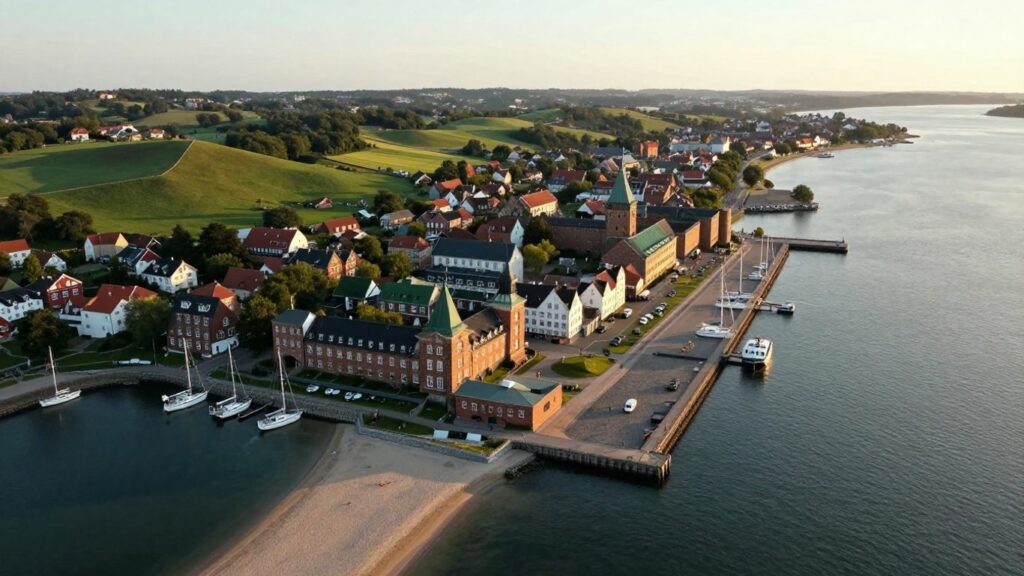
Sønderborg gives the Danish shore a lively focal point, with a harbor, historic attractions, and easy access to the wider landscape of southern Jutland. Its waterfront is pleasant for a stroll, while the town’s history adds substance to a day that might otherwise be mostly scenic. Danish cafés and local food provide a welcome change of rhythm without feeling entirely unfamiliar.
If you have more time, a longer Danish itinerary can be built around the route north; a Flensburg to Copenhagen weekend offers one possible extension beyond the fjord.
Finding quieter villages and waterfront stops
Small villages along both shores are ideal for travelers who prefer fewer formal attractions. Look for modest harbors, benches facing the water, old farm buildings, and short paths leading toward beaches or woodland. These places reward patience, particularly outside the busiest summer hours.
Do check parking signs and avoid blocking narrow residential roads. A quiet stop should remain considerate of the people who live there.
Choosing the best viewpoints for sunrise, sunset, and photography
For sunrise, face east across open water and arrive before the light becomes strong; for sunset, western-facing shorelines near Flensburg can be especially atmospheric. Harbors provide reflections and foreground detail, while beaches and headlands give cleaner horizons. Cloud, mist, and wind often add more character than a perfectly clear sky.
Photographers should protect equipment from spray and keep tripods away from paths. The most compelling images usually come from staying long enough for the light to change.
Outdoor activities on and around the fjord
The sheltered fjord supports a broad range of outdoor activities, from gentle walks to full days on the water. Conditions remain decisive: calm-looking water can still carry wind and boat traffic, and trails may become muddy after rain. Plan according to skill, equipment, and the day’s forecast.
Sailing, boating, and harbor cruises
Sailing gives you the clearest sense of how the fjord’s arms, coves, and headlands fit together. Harbor cruises and smaller boat trips are a lower-effort way to see the shoreline from the water, while experienced sailors can seek longer routes when conditions allow. Confirm departure points, booking requirements, and seasonal schedules in advance.
Wear layers even on a sunny day. The temperature on the water can feel noticeably cooler than it does on land.
Kayaking, stand-up paddleboarding, and swimming
Kayaking and stand-up paddleboarding work well in sheltered bays when wind and traffic are manageable. Beginners should stay close to shore, use appropriate buoyancy equipment, and avoid treating calm water as risk-free. Swimming is best undertaken at designated or familiar spots, with attention to visibility, currents, and other water users.
A short session can be enough to make the fjord feel different. You do not need an ambitious distance to enjoy the quiet perspective from the water.
Cycling along the Flensburg Fjord route
Cycling connects beaches, villages, viewpoints, and town centers in a way that makes the fjord’s scale easier to understand. Some sections are gentle, while others include hills, mixed surfaces, or exposed stretches that feel harder in a headwind. Carry water, repair essentials, and a charged phone, and verify the condition of your chosen route.
A practical day might combine a train or bus connection with a shorter ride, avoiding the pressure to complete an entire long-distance route.
Hiking coastal paths, forests, and nature reserves
Walking routes range from harbor promenades to forest paths and exposed coastal sections. Comfortable footwear matters because wet roots, sand, and uneven ground can appear within the same outing. Leave extra time for viewpoints and be prepared to turn around if a path becomes unsafe or conditions deteriorate.
Along a changing coast, a flexible route is often the safest and most enjoyable route.
That approach also leaves room for nature, rather than making the walk a race between waypoints. Check local notices where paths cross protected land or private property.
Wildlife watching and responsible nature tourism
Birds, marine life, and shoreline plants can be observed without special equipment if you move quietly and give animals space. Bring binoculars if you have them, stay on marked paths, and keep dogs under control where rules require it. Avoid feeding wildlife and take all litter, including small food packaging, with you.
Responsible observation is less about seeing the rarest species than about reducing disturbance. Early or quieter hours often provide the best experience anyway.
History, culture, and cross-border experiences
The Flensburg Fjord is a place where geography and history are inseparable. The modern border is visible, but the older Schleswig and Southern Jutland connections remain present in language, family histories, architecture, and traditions. Understanding that background makes visits to museums and monuments more meaningful.
Understanding the Schleswig-Holstein and Southern Jutland connection
Schleswig-Holstein and Southern Jutland share a borderland history that predates modern national boundaries. Trade, marriage, migration, and changing administrations connected communities on both sides of the fjord for centuries. Today, the area’s identity remains layered rather than neatly divided into one German or Danish story.
You can notice this in place names, bilingual information, and the ease with which local travel crosses the frontier. Listening and observing are often more revealing than seeking a single definition of regional identity.
Exploring the legacy of the 1864 Danish–German conflict
The 1864 Danish–German conflict changed control of Schleswig and left a lasting mark on regional memory. Its legacy appears in museums, monuments, landscapes, and the different national narratives associated with historic sites. Visitors should approach these places with care, since the subject is tied to loss, displacement, and contested belonging.
Reading a short introduction before a visit helps separate historical evidence from later mythmaking. It also makes the border’s present-day openness feel more remarkable.
Visiting museums, monuments, and historic sites
Historic sites around the fjord range from urban museums to castles, churches, memorials, and battlefield-related locations farther afield. Choose based on your route and interests rather than collecting names. A museum visit in Flensburg followed by a Danish historic site can create a useful cross-border comparison.
Allow time for translation and context, especially at smaller museums. Seasonal opening hours are common, so check details before making a long detour.
Experiencing bilingual traditions, festivals, and local customs
Festivals, markets, food traditions, and community events often reveal the region’s bilingual character in an informal way. German and Danish influences may appear together without being presented as a performance for visitors. Be attentive to local etiquette, use a simple greeting, and ask before photographing people or private celebrations.
Seasonal events can transform a quiet town, but they can also affect parking and accommodation availability. Book early when a particular festival is the reason for your trip.
Planning a day trip that combines German and Danish highlights
A balanced day might begin with Flensburg’s harbor, continue to Glücksburg or Holnis, and cross into Denmark for Sønderborg in the afternoon. Another option is to focus on one side in depth and add only one cross-border stop, which leaves more time for walking. Keep the route realistic and check the final return connection before leaving.
If you want a compact itinerary, select one historic attraction, one waterfront meal, and one outdoor stop. That combination captures the region without turning the day into a checklist.
Practical advice for a smooth visit
A comfortable fjord trip depends on small decisions: where you sleep, how you move, and what you do when weather changes. The area is welcoming to independent travelers, but seasonal schedules and cross-border details reward preparation. Keep plans clear enough to use and loose enough to adapt.
Where to stay for different travel styles and budgets
Flensburg is convenient for first-time visitors who want restaurants, museums, and evening activity within walking distance. Glücksburg and smaller coastal bases suit travelers prioritizing quiet mornings and direct access to beaches, while Sønderborg works well for a Danish-centered itinerary. Compare location, transport, kitchen facilities, and cancellation terms rather than price alone.
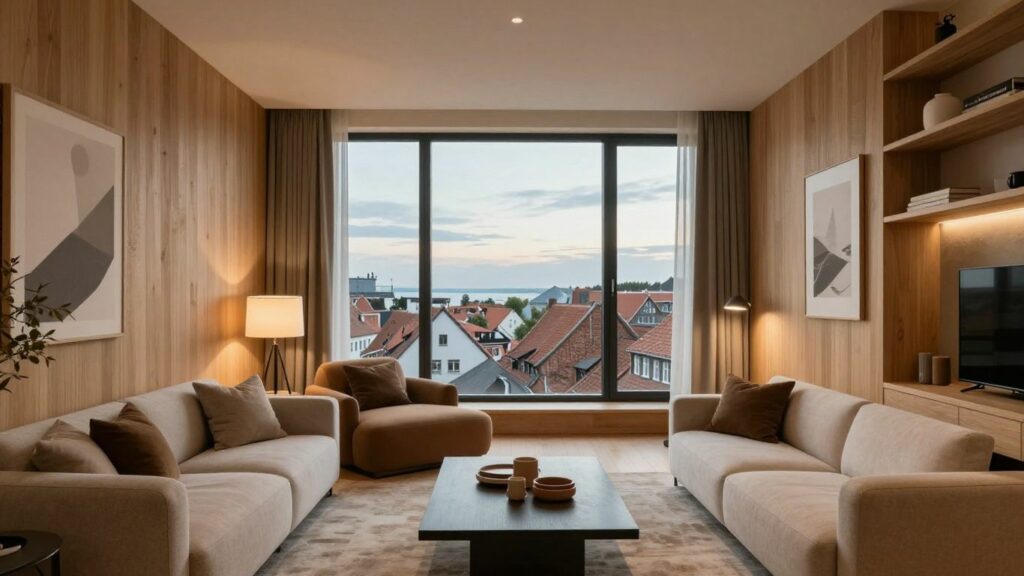
For travelers seeking an apartment-style base, Fjord View Boutique Apartments describes modern interiors, equipped conveniences, and fjord views in Flensburg. Match the accommodation to your daily habits, especially if you plan to stay several nights.
How parking, public transportation, and cycling logistics work
Parking rules vary between town centers, beaches, and residential areas, so read signs carefully and carry a suitable payment method. Public transport is practical between larger settlements, though evening and off-season services may be less frequent. Cyclists should check whether trains or buses accept bicycles and whether reservations are needed.
Download schedules or save key information before leaving reliable Wi-Fi. A simple backup plan can prevent a minor delay from consuming the entire afternoon.
Restaurant etiquette, currencies, payments, and opening hours
Germany uses the euro, while Denmark uses the Danish krone, and card acceptance is common but not universal in small businesses. Tipping is appreciated for good service but is generally handled more modestly than in the United States. Restaurants and shops may close earlier or observe weekly rest days, particularly outside peak season.
Reserve popular restaurants when possible, especially on summer weekends. For everyday meals, a bakery, market stall, or fish counter can be both convenient and distinctly local.
Accessibility considerations for beaches, attractions, and trails
Accessibility differs considerably across the region. Harbor promenades and paved town routes are often easier than sandy beaches, wooded paths, or historic buildings with steps. Contact attractions and accommodation providers directly about entrances, toilets, parking, beach access, and available equipment.
Do not assume that a short route is an accessible route. Detailed, current information is more useful than a general label, particularly when traveling with mobility or sensory needs.
Safety, weather changes, and sustainable travel practices
Check wind, rain, tides, and daylight before water activities or longer walks, and tell someone your route when heading into a quiet area. Stay clear of unstable edges, respect swimming and boating guidance, and carry a charged phone. Sustainable choices are straightforward: use public transport where practical, refill a bottle, shop locally, and keep to marked paths.
The fjord is shared by residents, wildlife, sailors, cyclists, and visitors. Travel at the coast’s pace and you will usually have a safer, quieter, and more rewarding experience.
Conclusion
The Flensburg Fjord brings together water, history, beaches, and a living German-Danish borderland in a compact region. With a few well-chosen bases and flexible days, you can move from Flensburg’s harbor to quiet shorelines, Danish towns, and outdoor routes without rushing. When you are ready to arrange a comfortable stay, join the Oben Estate waitlist for early access to its planned Flensburg apartments.
Frequently Asked Questions
How long is the Flensburg Fjord?
The fjord extends for several dozen kilometers inland from the Baltic, with a winding shoreline that makes travel time longer than the straight-line distance suggests.
Is the Flensburg Fjord in Germany or Denmark?
Both. The fjord lies between northern Germany and southern Denmark, and the international border runs through the wider region and its waterside communities.
What is the best time to visit the Flensburg Fjord?
Late spring through early autumn is best for long days and outdoor activities, while winter offers quieter walks, museums, cafés, and seasonal events.
Can you visit the Danish side on a day trip?
Yes. Sønderborg and other Danish coastal stops can be reached on a day trip, provided you check transport connections, border documents, and return times.
What should you do in Flensburg when it rains?
Explore museums, churches, historic streets, cafés, shops, and the harbor area. A shorter waterfront walk between indoor visits can still be enjoyable with suitable clothing.
Are there beaches suitable for swimming?
Several beaches around the fjord are used for swimming, but conditions and facilities vary. Follow local signs, check the weather, and choose designated or familiar bathing areas.
Is the Flensburg Fjord suitable for a cycling holiday?
Yes, especially for travelers comfortable with varied surfaces, hills, and wind. You can ride short sections or create a longer itinerary linking towns, beaches, and villages.