Key Takeaways
Northern Germany offers a wide range of settings for remote professionals, from lively port cities to quiet islands. The right choice depends on your preferred pace, transport needs, budget, and access to nature.
- Hamburg suits people who want international connections and abundant urban amenities.
- Bremen and Schwerin offer a calmer rhythm with potentially lower day-to-day costs.
- Lübeck, Kiel, Rostock, and the North Sea Islands combine work with distinctive coastal surroundings.
- Hannover is especially practical for frequent rail travel and business appointments.
- Flensburg and Oldenburg stand out for relaxed living, cycling, and a strong sense of place.
1. Hamburg for urban amenities and international connections
Hamburg is one of the easiest places to settle into remote work northern Germany if you want the energy of a major city. Its neighborhoods offer cafés, restaurants, cultural venues, shops, and a broad range of furnished and unfurnished housing. You can work quietly in the morning and still have plenty to do after closing your laptop.
The city is also well suited to people whose work involves clients or colleagues in different countries. Hamburg’s port, airport, railway connections, and international outlook make travel relatively straightforward, while its large professional community creates many opportunities for informal networking. Those advantages come with higher housing costs and a busier feel than smaller northern cities.
Before choosing a neighborhood, consider the balance between central access and everyday calm. Areas farther from the busiest commercial streets may provide more space and quieter evenings, while districts near major transport routes can save time when meetings or travel interrupt the normal remote routine.
2. Bremen for a relaxed city lifestyle and affordable workspaces
Bremen offers a comfortable middle ground: it feels like a proper city, yet it is often less intense than Hamburg. The historic center, riverside promenades, and residential districts give remote workers several different daily rhythms to choose from. You can enjoy urban conveniences without feeling surrounded by metropolitan pressure.
Housing and workspace costs may also be easier to manage here than in Germany’s largest northern business centers. Independent cafés, libraries, and coworking venues provide alternatives when home becomes distracting, while the compact urban layout keeps many errands within easy reach. A dedicated desk or long-stay apartment can make Bremen particularly practical for a month or more.
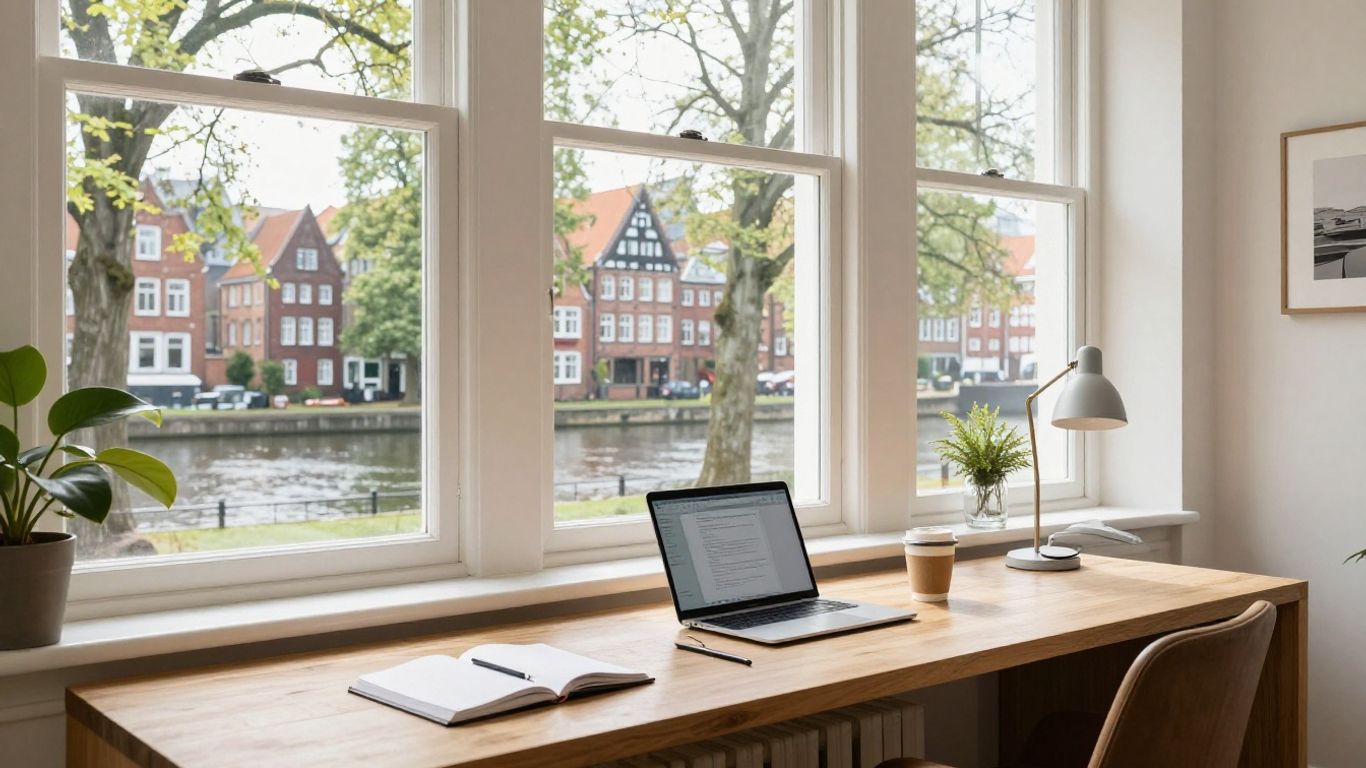
Bremen works best for professionals who value predictability over spectacle. A sensible routine might include a quiet morning at home, a short walk into the center, and an afternoon working from a shared space when collaboration is needed. The city’s unhurried character can make it easier to maintain that rhythm over time.
3. Lübeck for historic surroundings and Baltic Sea access
Lübeck brings a distinctive sense of place to remote work. Its brick Gothic architecture, old lanes, and island-like historic center create a visually rich setting without the scale of a major metropolis. The Baltic coast is close enough for a spontaneous walk or weekend break, adding variety to a work week.
The city suits people who want culture and character around them but do not need a large international business scene every day. Cafés and local services are woven into the older neighborhoods, while surrounding districts offer a quieter residential experience. For many workers, the attraction is less about constant activity and more about having a beautiful environment to return to after work.
A practical search should still focus on internet reliability, desk space, and transport rather than atmosphere alone. Lübeck’s appeal is strongest when the home setup supports concentration and the historic center or coast can be enjoyed outside working hours. That separation helps preserve both productivity and the pleasure of living somewhere memorable.
4. Kiel for waterfront living and reliable coworking options
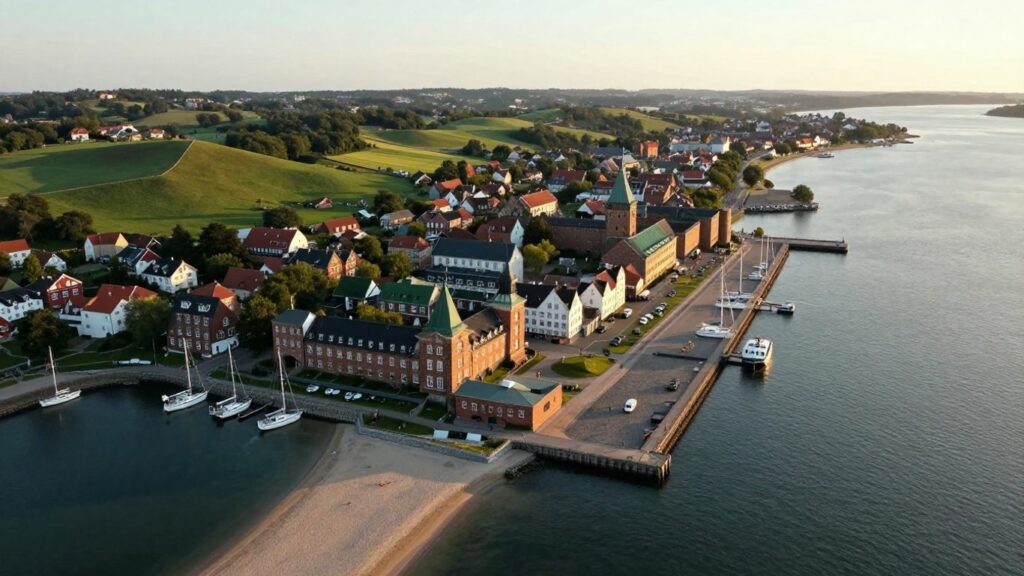
Kiel is a natural choice for anyone who wants the sea to be part of everyday life. The fjord, harbor activity, and open waterfront give the city a maritime atmosphere, while its university population contributes to a lively and practical feel. Remote workers can combine focused weekdays with walks beside the water.
Coworking options and established local services make Kiel easier to navigate than a small coastal resort. A shared office can provide meeting rooms, professional separation, and a dependable alternative when an apartment is not ideal for calls. Neighborhood choice matters: living near the waterfront is appealing, but access to supermarkets and public transport can be just as valuable.
A productive coastal base should make switching between concentration and recovery feel effortless.
That is where Kiel has an advantage. You can build a workday around a stable indoor setup, then use the harbor or waterfront as a clear boundary between professional obligations and personal time. The city feels connected without losing its relationship with the water.
5. Rostock for coastal scenery and a growing startup community
Rostock combines a working city with access to the Baltic coast. Its university, port, and nearby Warnemünde give the area a varied identity, with more professional depth than a purely seasonal seaside destination. That mix can appeal to remote workers who want coastal scenery without giving up regular urban services.
The local startup and technology scene adds another reason to spend time here. Events, meetups, and university links can make it easier to meet other independent professionals, although the community is naturally smaller than in Hamburg or Berlin. For someone working remotely, that scale may feel more approachable and less overwhelming.
Rostock is worth considering if your ideal week includes a proper city base and occasional sea air. Look for accommodation with a quiet workspace, then use the coast as a restorative change of scene rather than trying to work everywhere. The combination is particularly attractive in the shoulder seasons, when the shoreline is quieter and the city retains its everyday pace.
6. Hannover for central transport links and business facilities
Hannover is not a coastal destination, but it is one of northern Germany’s most practical bases. Its central position and strong rail connections make it useful for professionals who travel frequently to other German cities. You can maintain a home routine while reaching meetings elsewhere without relocating every week.
The city also has business hotels, conference facilities, offices, and meeting spaces that support a more formal working style. This makes Hannover a sensible option for consultants, sales professionals, and distributed teams with occasional in-person commitments. The city’s parks and residential areas provide a quieter counterbalance to its commercial infrastructure.
For a longer stay, prioritize the route between your accommodation, the main station, and any regular client locations. A slightly less central home may offer better value if public transport remains convenient. Hannover rewards practical planning: it is less about postcard scenery and more about reducing friction in a demanding schedule.
7. Flensburg for a slower pace and cross-border flexibility
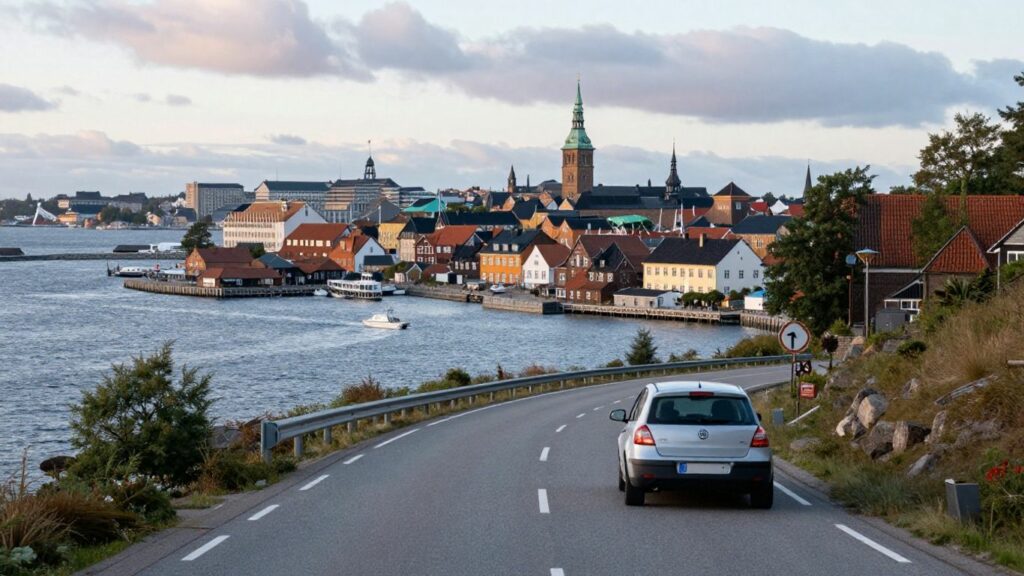
Flensburg offers a gentler northern lifestyle beside the fjord and close to Denmark. The old town, harbor, and waterfront create a sense of daily discovery without the pressure of a large city. It can suit remote workers who want peaceful surroundings but still need cafés, shops, and ordinary urban services.
The border location adds genuine flexibility for weekends and occasional leisure trips. Danish towns are within reach, and the region’s shared cultural influences give Flensburg a distinctive atmosphere. Anyone working across borders should separately check residence, tax, employment, and data-security requirements before treating a cross-border arrangement as routine.
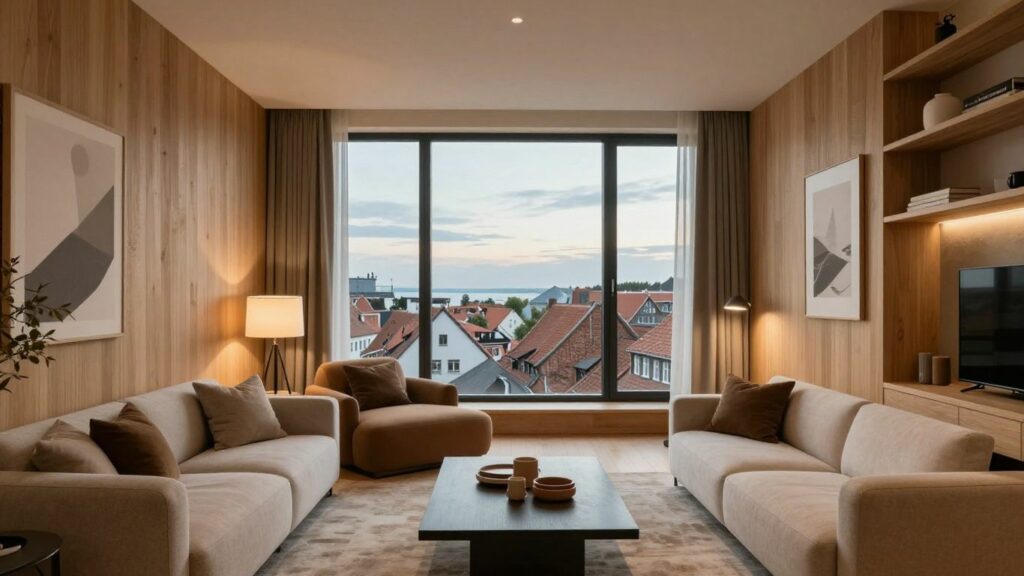
A work-friendly stay needs more than a scenic outlook. Oben Estate describes boutique apartments in Flensburg with high-speed Wi-Fi, dedicated workspaces, and fjord views, details that fit the needs of someone planning a focused longer stay. If you are comparing options, this long-stay apartment guide is also a useful starting point for thinking through registration, pricing, and rental precautions.
8. Schwerin for lakeside work environments and lower living costs
Schwerin is a quiet alternative for people who find large cities tiring. Its lakes, wooded edges, and elegant historic core create a slower backdrop for concentrated work. The city is small enough to feel manageable while still offering essential shops, services, and cultural activities.
Lower living costs can be part of the appeal, especially for independent workers paying for accommodation themselves. A lakeside walk can provide a genuine pause between meetings, and the surrounding landscape offers easy ways to vary the day without planning a major excursion. The trade-off is a smaller professional scene and fewer specialized coworking choices.
Schwerin is best approached as a home-based work destination rather than a place where you expect a new networking event every evening. Confirm the quality of the internet, the comfort of the desk, and the ease of reaching groceries before booking. When those basics are in place, the lakes can lend the week a calm, spacious quality.
9. Oldenburg for cycling, comfort, and a strong local community
Oldenburg has the comfortable scale many remote workers are looking for. Cycling is an easy way to move around, residential areas feel approachable, and the city center remains close to everyday life. It offers a friendly base for people who want convenience without the density of a major port city.
The local community is another draw. Students, families, creatives, and professionals give the city an active but grounded character, with cafés and cultural venues that feel integrated into ordinary routines. Because distances are manageable, it is easier to create a day that includes movement rather than remaining indoors from morning until evening.
When assessing Oldenburg, think about the lifestyle you can sustain rather than the attractions you can list. A bicycle-friendly location, natural light, and a comfortable working corner may matter more than a central address. That combination can make the city feel restorative during an extended remote assignment.
10. The North Sea Islands for a focused remote work retreat
The North Sea Islands are suited to a different kind of remote working experience: deliberate, quiet, and temporary. Beaches, dunes, broad skies, and changing weather create a strong break from city routines. They are particularly appealing when you need uninterrupted time for writing, planning, or deep individual work.
Island logistics require more preparation than a city stay. Ferry schedules, seasonal availability, grocery access, and internet quality should be checked before arrival, especially if meetings are part of the job. Weather can also affect travel plans, so a flexible schedule and a well-equipped accommodation are sensible safeguards.
The best island retreat has a clear purpose and a realistic workload. Plan the demanding tasks for dependable connection windows, leave room for walks, and avoid treating the landscape as a backdrop for nonstop screen time. Used thoughtfully, the islands can provide a memorable reset without pretending that every remote job can be done there effortlessly.
CTA: Explore a Fjord Stay
For a work-friendly base in Flensburg, explore Oben Estate and consider a stay designed around privacy, modern comfort, high-speed Wi-Fi, and the fjord nearby. You can also join the waitlist if you want early access to upcoming apartments and studios.
Conclusion
Northern Germany gives remote workers room to choose the setting that matches their working style, whether that means Hamburg’s connections, Hannover’s practicality, Schwerin’s calm, or the coastal character of Flensburg and the islands. Compare internet access, workspace quality, transport, housing costs, and the kind of life you want after work before making a decision.
Frequently Asked Questions
Which northern German city is best for remote work?
There is no single best choice. Hamburg is strong for amenities and international connections, Hannover for transport, and smaller cities such as Bremen, Schwerin, and Oldenburg for a calmer routine.
Is northern Germany suitable for long remote-work stays?
Yes, provided you confirm accommodation, internet reliability, workspace, and any legal or administrative requirements that apply to your employment and nationality.
Which city is most affordable for remote workers?
Costs vary by neighborhood and season, but Bremen, Schwerin, Oldenburg, and some areas of Rostock may offer a more manageable budget than Hamburg or heavily visited coastal destinations.
Where can remote workers find the best coastal lifestyle?
Kiel, Lübeck, Rostock, Flensburg, and the North Sea Islands all offer coastal access, but they differ in city services, transport, professional communities, and seasonal availability.
Is coworking widely available in northern Germany?
Coworking is most developed in larger cities such as Hamburg, Hannover, Kiel, and Rostock. Smaller destinations may rely more on cafés, libraries, hotel workspaces, or home offices.
What should I check before booking a remote-work apartment?
Check the internet connection, desk and chair, noise levels, heating, kitchen facilities, transport access, cancellation terms, and whether the accommodation is suitable for the length of your stay.
Can international workers work remotely from Germany?
That depends on nationality, residence status, employment structure, tax position, and the length of the stay. International workers should obtain individual professional advice before relocating or working across borders.