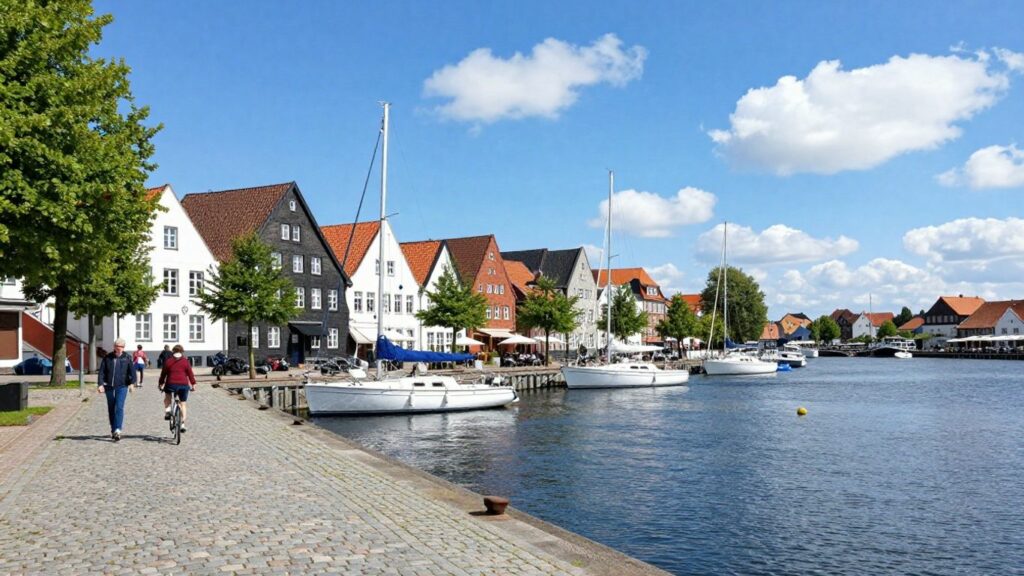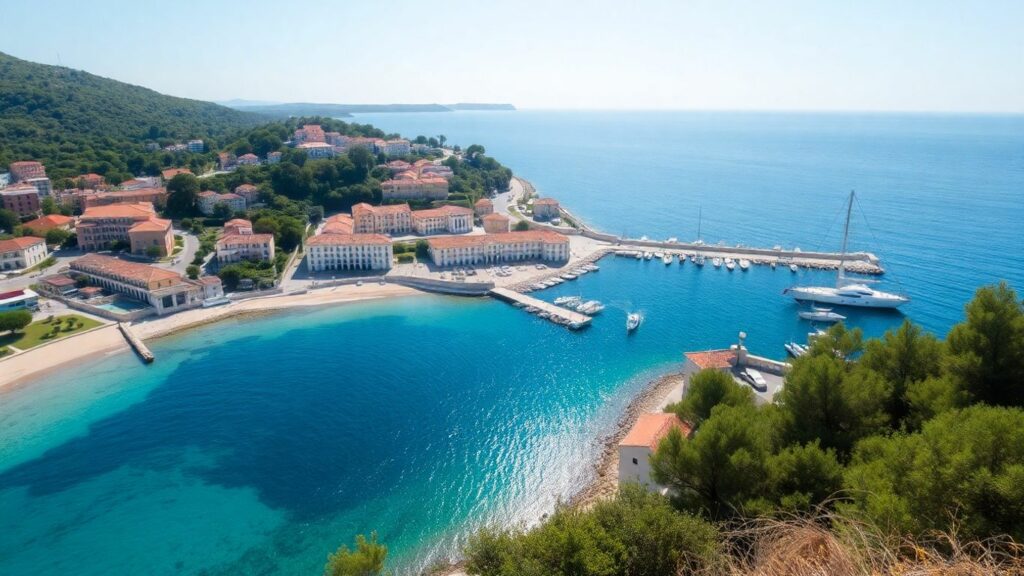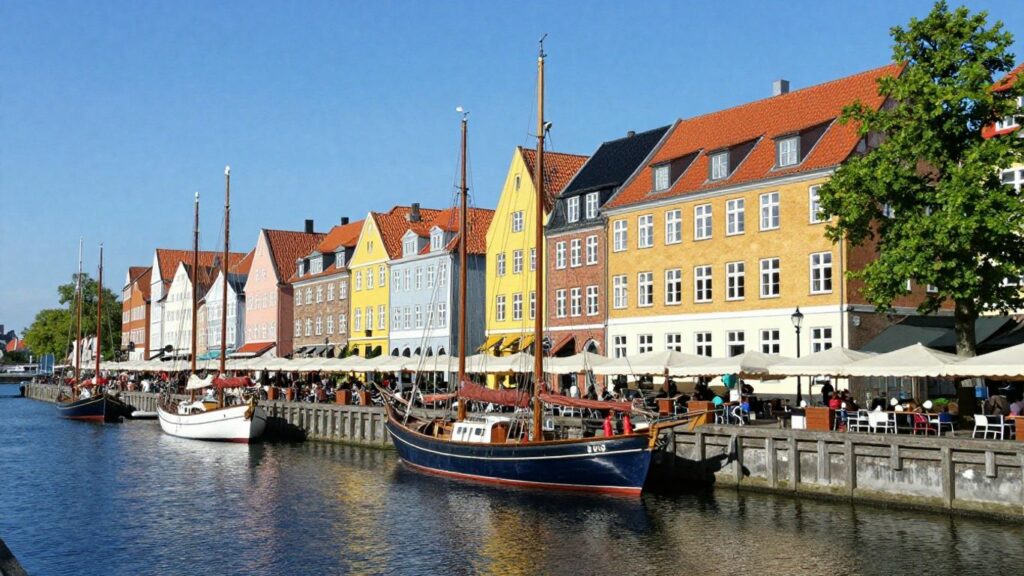
Flensburg sits quietly at Germany’s northern edge, right where the country meets Denmark. Most people pass it by, but this place is a real find. The Flensburg fjord Baltic coast is all about calm beaches, old harbor vibes, and streets that still remember the days of rum traders and Vikings. It’s not flashy, but that’s part of the charm. If you like slow mornings, good food, and a mix of German and Danish culture, you’ll fit right in. There’s a lot to discover here, and honestly, it’s a spot I wish I’d found sooner.
Key Takeaways
- Flensburg fjord Baltic coast is perfect for anyone who loves quiet beaches and easygoing seaside walks.
- The town’s old harbor and maritime museums share stories of shipping, rum, and Vikings you won’t hear anywhere else.
- Flensburg’s old town is full of winding lanes, cool shops, and historical buildings that make wandering around fun.
- Local food is all about fresh fish, classic fish sandwiches, and the famous Flensburger Pilsner beer.
- There are plenty of easy day trips—think castles, nature reserves, and even quick visits across the Danish border.
Discover the unique charms of the Flensburg fjord Baltic coast
Flensburg, situated at the very northern tip of Germany, offers a coastal experience that feels both familiar and wonderfully distinct. The Flensburg Fjord, stretching between Germany and Denmark, is more than just a body of water; it’s the heart of a region brimming with natural beauty and a peaceful atmosphere that invites you to slow down and truly appreciate your surroundings.
Idyllic beaches and tranquil scenery
The coastline here is dotted with lovely beaches, many of which remain wonderfully uncrowded, even in peak season. Imagine soft sand between your toes, the gentle lapping of Baltic waves, and a horizon that seems to stretch on forever. It’s the kind of place where you can find a quiet spot to read a book or simply watch the sailboats drift by. The scenery is consistently pleasant, with well-maintained shores and clear waters that make a refreshing dip a real treat.
Hidden nature reserves and wildlife experiences
Beyond the popular spots, the Flensburg Fjord area is a haven for nature lovers. You’ll find several protected areas, like the Geltinger Birk nature reserve, which are teeming with local wildlife. Birdwatchers, in particular, will find much to admire here. These reserves offer a chance to see the region’s natural beauty up close, often with walking paths that allow for quiet observation without disturbing the delicate ecosystems. It’s a refreshing contrast to the bustle of larger tourist destinations.
Peaceful seaside walks and cycling routes
One of the best ways to soak in the atmosphere of the Flensburg Fjord is by exploring its extensive network of walking and cycling paths. These routes often hug the coastline, offering continuous views of the water and the charming villages that dot the shoreline. Whether you prefer a leisurely stroll along the promenade or a more vigorous bike ride through the countryside, you’ll find plenty of opportunities to enjoy the fresh sea air and the picturesque landscapes. Many of these paths are quite accessible, making them suitable for most fitness levels. For those looking for a comfortable base to explore from, consider looking into apartment rentals with Oben Estate.
Exploring Flensburg’s maritime heritage along the fjord
Flensburg’s connection to the sea is palpable, a story etched into its very foundations. This city, nestled along the fjord, has a rich past tied to seafaring, trade, and a distinct Baltic culture. You can really feel the history when you’re down by the water.
Historic harbor and traditional sailing culture
The heart of Flensburg’s maritime soul beats strongest at its historic harbor. Here, you’ll find a vibrant mix of modern vessels and beautifully preserved traditional sailing ships. It’s a place where you can witness the ongoing legacy of seafaring firsthand.
- Watch the sails unfurl: Many of the historic ships are still actively used, participating in regattas or offering sailing trips. It’s quite a sight!
- Stroll the piers: Take a walk along the waterfront, soaking in the atmosphere and admiring the craftsmanship of the boats.
- Enjoy local flavors: Numerous cafes and restaurants line the harbor, offering a perfect spot to relax and watch the maritime activity.
Museums showcasing shipping and rum trade
To truly grasp Flensburg’s historical significance, a visit to its museums is a must. These institutions offer a deep dive into the city’s past as a major trading port.
- Maritime Museum: This is where you can learn all about Flensburg’s role in Baltic trade, with exhibits on shipbuilding, navigation, and the lives of sailors. It provides excellent context for the harbor you see today.
- Rum Houses: Flensburg was once known as the ‘Rum City’ due to its historical trade with the Caribbean. You can still visit some of the old rum houses, like Rumhaus Braasch, to learn about this unique part of the city’s heritage and even sample some.
The city’s past is deeply intertwined with the sea, from the grand trading voyages that brought wealth and exotic goods to its shores, to the everyday lives of the people who depended on the fjord for their livelihood. This connection is not just a historical footnote; it’s a living part of Flensburg’s identity.
Viking influences and cross-border narratives
Flensburg’s strategic location near the Danish border means its history is also shaped by cross-border interactions and even echoes of the Viking age. While not as prominent as in some other regions, the influence is there, adding another layer to the city’s narrative. Exploring this aspect gives you a broader perspective on Northern European history and how cultures have mingled over centuries. You can find more about the region’s history at the Flensburg Fjord area.
Experience the cultural vibrancy of Flensburg’s old town
Flensburg’s old town is where the city’s lively spirit comes out in full force. Historic lanes wind through a well-preserved district packed with surprises: atmospheric alleyways, family-run shops, and friendly faces around every corner. Here, past and present seem to blend—one moment you’re brushing past a medieval gate, the next you’re choosing a fresh pastry from a local bakery’s window.
Wandering merchant streets and courtyards
Strolling through the old town, you’ll notice each street has its own unique character. The merchant streets tell stories of Flensburg’s commercial history, once buzzing with trade between Germany and Denmark.
- Rote Straße: A picturesque narrow lane, dotted with timber-framed houses, boutique shops, and cozy cafés. Take your time here—many shops offer handmade goods and regional treats.
- Look out for old courtyards tucked behind unassuming doors. They offer peaceful hideaways and the best view of the town’s half-timbered buildings.
- Along the way, local museums and tiny galleries fill former merchants’ halls, offering insights into the city’s rich past and creative present.
Don’t rush this part of Flensburg; wandering these alleys and courtyards at your own pace makes each old doorway or hidden stairway a small adventure.
Charming artisan shops and local galleries
Shopping in Flensburg’s old town feels personal. Many owners greet you with a smile, eager to share their handiwork or the story behind each product. You won’t find large chains crowding out the streets here.
- Discover pottery studios offering unique pieces inspired by the Baltic landscape.
- Small galleries often feature the work of local artists and photographers—you’ll spot everything from traditional seascapes to abstract modern pieces.
- Don’t miss out on the independent bookstores and antique shops. Flensburg’s literary and maritime heritage spills onto every shelf and display case.
Historic architecture and preserved town gates
Every corner of the old town feels like a snapshot from another time. The city’s signature feature, Nordertor, is a medieval gate topped with a sundial and artistic designs. It sets the tone for the historic character you’ll notice all around:
- Admire the blend of Gothic churches, Renaissance façades, and pastel-colored merchants’ homes.
- St. Nikolai Church stands as a focal point—step inside to see intricate woodwork and centuries-old memorials.
- Don’t forget Südermarkt square, where the old town hall and surrounding streets become a hub for markets and festivals throughout the year.
When you’re ready for a longer stay in Flensburg’s heart, consider Oben Estate for a comfortable and central base—you’ll be living within the city’s vibrant history each day, with the best of the old town right on your doorstep.
Culinary delights and local specialties on the Baltic coast
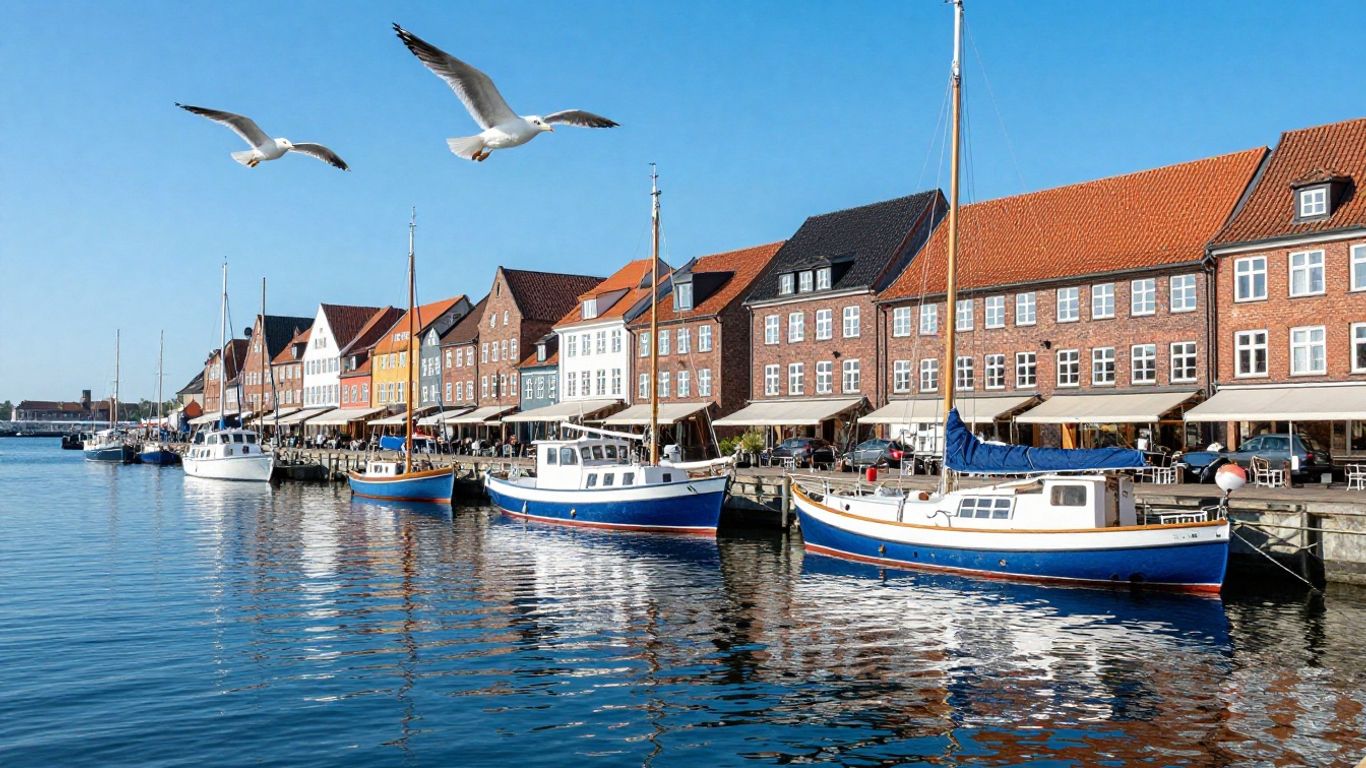
When you visit Flensburg, you’ll find that the local food scene is as rich and varied as its history. The proximity to the Baltic Sea means that fresh seafood is a staple, and you absolutely must try a traditional Fischbrötchen, a simple yet delicious fish sandwich that’s a true taste of the coast. It’s the kind of food that just makes sense by the water.
Fresh seafood and traditional fish sandwiches
Flensburg’s connection to the sea is evident in its kitchens. You’ll find many places offering freshly caught fish, prepared in ways that highlight its natural flavor. The Fischbrötchen, in particular, is an institution. Whether it’s herring, mackerel, or cod, served on a soft roll with onions and perhaps a bit of remoulade, it’s a quick, satisfying, and authentic bite. It’s a simple pleasure, but one that truly captures the essence of coastal living.
Flensburger Pilsner and regional brewing tradition
No meal in Flensburg is quite complete without a taste of its famous local beer, Flensburger Pilsner. Known for its distinctive “plop” sound when opened, this crisp lager is brewed right here in the city, adhering to a long-standing regional brewing tradition. It’s the perfect accompaniment to seafood or just for enjoying a relaxed afternoon.
- Taste the crisp, refreshing flavor.
- Experience a beer with a unique opening sound.
- Support local breweries and their heritage.
Rum houses and tasting experiences unique to the region
Flensburg has a fascinating history with rum, dating back to its days as a major trading port. Several historic ‘Rumhäuser’ (rum houses) still exist, offering a glimpse into this past. You can often find opportunities to sample different types of rum, learning about their origins and the distillation process. These tasting experiences offer a unique insight into a significant part of Flensburg’s heritage.
The city’s connection to the rum trade is a story worth exploring, adding another layer to its already complex identity. It’s not just about the present; it’s about understanding the historical currents that shaped this Baltic gem. For those interested in unique accommodations, consider looking into Oben Estate for your stay.
Exploring these culinary aspects is a key part of understanding Flensburg. It’s about more than just eating; it’s about connecting with the region’s culture and history through its flavors. You can find more tips on exploring Flensburg and its surroundings in this travel guide blog.
Day trips and natural wonders around Flensburg fjord Baltic coast
Schloss Glücksburg and its scenic lakeside setting
Just a short trip from Flensburg, you’ll find Schloss Glücksburg, a truly impressive moated castle. It’s a Renaissance gem, surrounded by water, and the grounds are just lovely for a wander. You can explore the castle itself, learning about its history, or simply enjoy the peaceful atmosphere. It’s a great spot to just relax and take in the views. Many visitors find the setting quite serene, a nice break from the city buzz.
Exploring the Holnis peninsula and Geltinger Birk nature reserve
For those who love the outdoors, the Holnis peninsula is a must-see. It juts out into the Baltic Sea and offers a wilder, more natural landscape. You can walk along the coast, discover small, quiet beaches, and just enjoy the fresh sea air. Nearby, the Geltinger Birk nature reserve is a haven for birds and other wildlife. It’s a protected area, so it’s kept in its natural state, making it perfect for observing nature.
- Walking trails: Plenty of paths wind through the peninsula and reserve.
- Birdwatching: It’s a prime spot for spotting various bird species.
- Coastal views: Expect stunning vistas of the Baltic Sea.
Visiting Nordic heritage sites and Danish border towns
Flensburg’s location near the Danish border opens up opportunities to explore Nordic influences. You can easily take a trip across the border to visit charming Danish towns. These places often have their own unique history and culture, sometimes with connections to Viking times or maritime trade. It’s interesting to see how the landscape and architecture change just a short distance away.
The proximity to Denmark means you can experience a different cultural flavor without traveling too far. It’s a chance to see how the border region has shaped local traditions and daily life over centuries. You might find yourself enjoying Danish pastries one moment and exploring a historic German harbor the next.
If you’re looking for a comfortable base for these explorations, consider looking into apartment rentals. Companies like Oben Estate can help you find a place to stay that suits your needs for longer visits.
Seasonal highlights and the best times to enjoy the Baltic coast
Flensburg and its surrounding Baltic coast offer distinct charms throughout the year, making it a destination worth visiting in any season. Each period brings its own unique atmosphere and activities for you to experience.
Summer festivals and sailing regattas on the fjord
Summer, from June through August, is when the region truly comes alive. The weather is generally mild, with temperatures averaging between 18-22°C (64-72°F), and the days are long, offering plenty of daylight for exploration. This is the prime time for outdoor events, with the fjord often buzzing with sailing regattas and various festivals. The longer daylight hours are perfect for enjoying leisurely walks along the coast or spending time at the beach. If you’re looking for a place to stay, consider apartments in Flensburg for a comfortable base during your summer visit.
Tranquil autumn colors and harvest traditions
As autumn arrives, typically from September to November, the landscape transforms with beautiful fall colors. The air becomes crisp and fresh, ideal for exploring the natural reserves and cycling routes without the summer heat. While the days get shorter, the end of September and October often provide stunning displays of yellow, orange, and red foliage. This season is also a time for local harvest traditions, offering a more subdued yet equally engaging experience of the region’s culture.
Winter serenity and unique local celebrations
Winter in Flensburg, from December to February, offers a quieter, more serene experience. Temperatures hover around 0-3°C (32-37°F), and while it can be chilly, the lack of crowds allows for a more personal connection with the area. If you plan to visit around the Christmas holidays, booking accommodation in advance is advisable. The shorter daylight hours mean you’ll want to plan your outdoor activities accordingly, but the cozy atmosphere of local pubs and restaurants, perhaps enjoying a Flensburger Pilsner, provides a warm contrast to the winter air. Some unique local celebrations also take place, adding a special touch to the colder months.
Each season presents a different facet of Flensburg’s appeal. Whether you seek the vibrant energy of summer events or the peaceful quiet of winter, the Baltic coast provides a memorable backdrop. Planning your visit around these seasonal highlights can help you make the most of your time here.
Authentic experiences in Flensburg’s distinctive neighborhoods
Flensburg presents a fascinating tapestry of distinct areas, each offering a unique flavor of life along the Baltic coast. Understanding these neighborhoods can truly enrich your visit, allowing you to connect with the city on a deeper level.
Altstadt’s lively cobblestone heart
The Altstadt, or Old Town, is undeniably the historic core of Flensburg. Imagine wandering through narrow cobblestone lanes, where centuries-old merchant houses stand shoulder to shoulder, their facades telling tales of a prosperous past. This area is a delight for exploration, with hidden courtyards and small squares that invite you to pause and soak in the atmosphere. You’ll find a lively mix of independent boutiques, charming cafes, and traditional pubs here. It’s the perfect place to start your Flensburg journey, offering a tangible connection to the city’s Hanseatic heritage.
Student-friendly Norderstraße and vibrant nightlife
Norderstraße offers a different kind of energy, pulsating with the youthful spirit of the city’s student population. This street is known for its more affordable eateries, trendy shops, and a generally more relaxed vibe compared to the Altstadt. It’s a great spot to experience the everyday life of Flensburg and discover some local gems. As evening approaches, Norderstraße and its surrounding areas come alive with a vibrant nightlife scene, offering a variety of bars and venues that cater to diverse tastes. It’s a place where you can enjoy a casual meal and then easily transition into a night out.
Relaxed retreats in Glücksburg and on the waterfront
For those seeking a more tranquil escape, the areas around Glücksburg and the waterfront provide a serene contrast. Glücksburg, with its picturesque castle and proximity to the fjord, offers a peaceful retreat, ideal for unwinding. The waterfront itself is a place of calm, perfect for leisurely strolls, watching the boats, or simply enjoying the sea air. If you’re considering a longer stay and appreciate a slower pace, you might find accommodations, perhaps through Oben Estate, in these quieter locales to be particularly appealing. These neighborhoods are about embracing the natural beauty and the relaxed rhythm of coastal living.
Exploring these distinct neighborhoods allows for a multifaceted experience of Flensburg. From the historical resonance of the Altstadt to the youthful buzz of Norderstraße and the serene beauty of the waterfront, each area contributes to the city’s unique character. It’s this variety that makes Flensburg such a captivating destination.
Discover the real Flensburg by exploring its unique neighborhoods. Each area offers a special vibe and local flavor you won’t find anywhere else. Ready to find your perfect spot? Visit our website to learn more about these amazing places and plan your authentic adventure today!
A Gem Worth Discovering
So, as you can see, Flensburg really does offer something special. It’s not one of those places that screams for attention, but that’s kind of its charm, you know? You get the history, the sea air, and a really relaxed vibe without all the usual tourist hustle. It’s the kind of town where you can just wander, find a nice spot for a coffee or a local beer, and really soak it all in. If you’re looking for a different kind of German experience, one that feels a bit more authentic and laid-back, you should definitely consider putting Flensburg on your list. It’s a place that stays with you.
Frequently Asked Questions
What makes Flensburg a special place to visit?
Flensburg is a cool city in Germany’s north, right by the sea. It has a long history with ships and even pirates, which you can learn about. The waterfront is really pretty, and there are nice places to walk or bike. It’s also known for its tasty local beer and a special rum history.
What are some must-see sights in Flensburg?
You should definitely check out the historic harbor, where you can see old sailing ships. The old town, with its narrow streets and old buildings, is also a great place to explore. Don’t miss the Nordertor, a historic city gate that looks like it’s from a fairytale.
Can you swim or relax on beaches near Flensburg?
Yes, there are lovely beaches along the Flensburg Fjord. Places like the Holnis peninsula offer beautiful spots to relax by the water, go for a swim in the Baltic Sea, or just enjoy the peaceful coastal views.
What kind of food can I try in Flensburg?
Flensburg has great seafood, especially fresh fish. You can try traditional fish sandwiches, which are a local favorite. Also, don’t leave without trying Flensburger Pilsner, the famous local beer, and maybe even a rum tasting since Flensburg has a history with rum.
Is Flensburg a good place for day trips?
Absolutely! You can easily visit the beautiful Glücksburg Castle, explore nature reserves like Geltinger Birk, or even take a short trip across the border to charming Danish towns. It’s a great starting point for exploring the whole region.
When is the best time to visit Flensburg?
Summer is great for festivals and enjoying the beach, but it can be busier. Spring and early autumn offer pleasant weather for exploring without the biggest crowds. If you like quiet and cozy, winter can also be charming, though days are shorter.