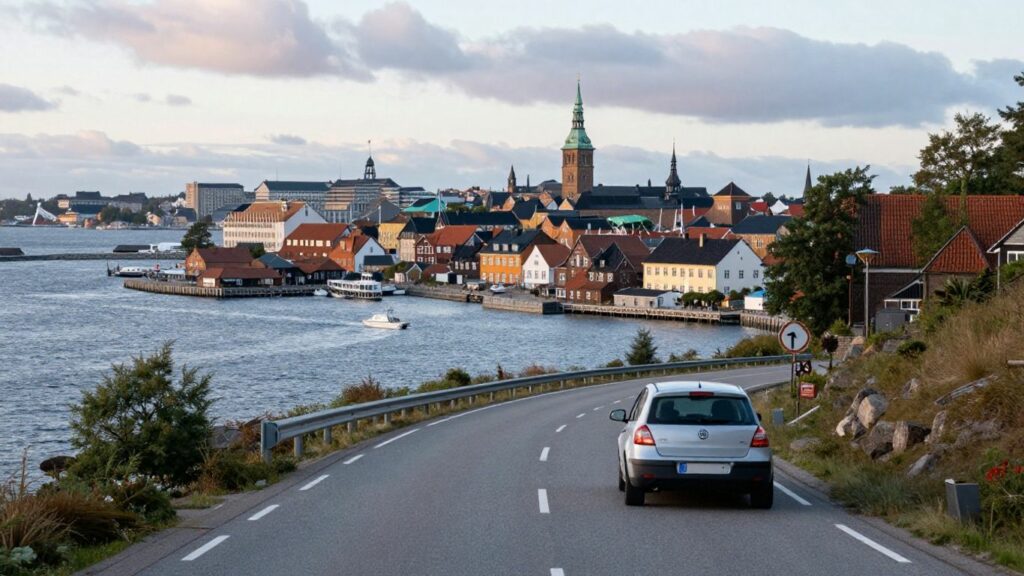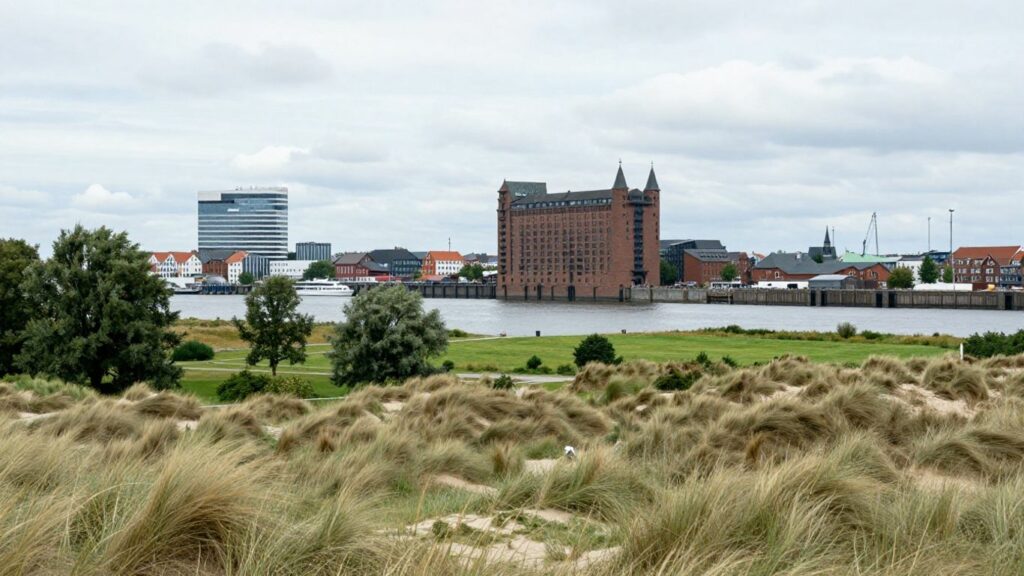
Flensburg is a cool little city up north, right by the Danish border. It’s got this old-school harbor vibe mixed with some really neat historical spots. If you’re looking for things to do in Flensburg, whether you’re just passing through or staying a while, there’s a good amount to check out. It’s not a huge place, so you can get around pretty easily. We’ve put together a list of the top 10 things to see and do, so you don’t miss out on the best bits. This guide will help you figure out what to do in Flensburg, making your visit a bit smoother.
Key Takeaways
- Explore the historic Nordertor, a medieval gate that’s a symbol of the city.
- Wander down Rote Straße, a charming street with old houses and shops.
- Visit Flensburg Harbour to see boats and enjoy the waterfront atmosphere.
- Check out St. Nikolai, the main Gothic church with maritime history.
- Discover local culture and art at Museumsberg Flensburg.
1. Nordertor
When you’re exploring Flensburg, you absolutely must make time to see the Nordertor. It’s this really cool, old gate that dates back to the Hanseatic period. It’s one of the last remaining city gates and a true symbol of Flensburg’s past.
Think of it as a little time capsule. It’s not huge, but it’s got this charm with its painted facade and a sundial that still tells time. It really gives you a sense of what the city was like centuries ago.
Here’s what makes it special:
- Historical Significance: It’s a tangible link to Flensburg’s history as a major trading city.
- Photogenic Spot: Seriously, it’s a great place for a photo. The colors and the architecture are just lovely.
- Central Location: You’ll likely pass by it when you’re wandering around the older parts of town, making it easy to incorporate into your sightseeing.
It’s a simple stop, but it’s one of those places that makes you appreciate the layers of history in a city. If you’re looking for a place to stay that captures some of that old-world feel, you might consider looking into apartment rentals in the historic districts.
This gate stands as a quiet reminder of the bustling trade and fortified walls that once defined Flensburg. Its presence today invites reflection on the city’s evolution from a medieval hub to the vibrant place it is now.
2. Rote Straße
When you’re exploring Flensburg, you absolutely must take a walk down Rote Straße. It’s a street that really feels like stepping back in time, with its narrow, winding path and the beautiful half-timbered houses lining either side. This isn’t just a pretty street, though; it’s full of life.
You’ll find a great mix of independent shops here, the kind where you can discover unique items you won’t see everywhere else. It’s also a perfect spot to just slow down and enjoy a coffee at one of the many cozy cafes. Rote Straße offers a genuine glimpse into the historic heart of Flensburg, away from the more modern parts of town.
Here’s what makes it special:
- Architecture: Admire the well-preserved merchant houses, many dating back centuries, showcasing traditional German building styles.
- Shopping: Discover local crafts, small boutiques, and specialty stores that offer a more personal shopping experience.
- Atmosphere: Enjoy the relaxed vibe, perfect for a leisurely stroll, people-watching, or simply soaking in the historic ambiance.
It’s the kind of street where you can easily spend an hour or two just wandering, popping into shops, and enjoying the unique character. If you’re looking for a place to stay that puts you right in the middle of this historic charm, you might consider Oben Estate for apartment rentals nearby.
This street truly captures the essence of old Flensburg. It’s a place where history feels alive, and every corner offers a new discovery. The blend of architecture, local businesses, and a relaxed pace makes it a standout experience.
3. Flensburg Harbour
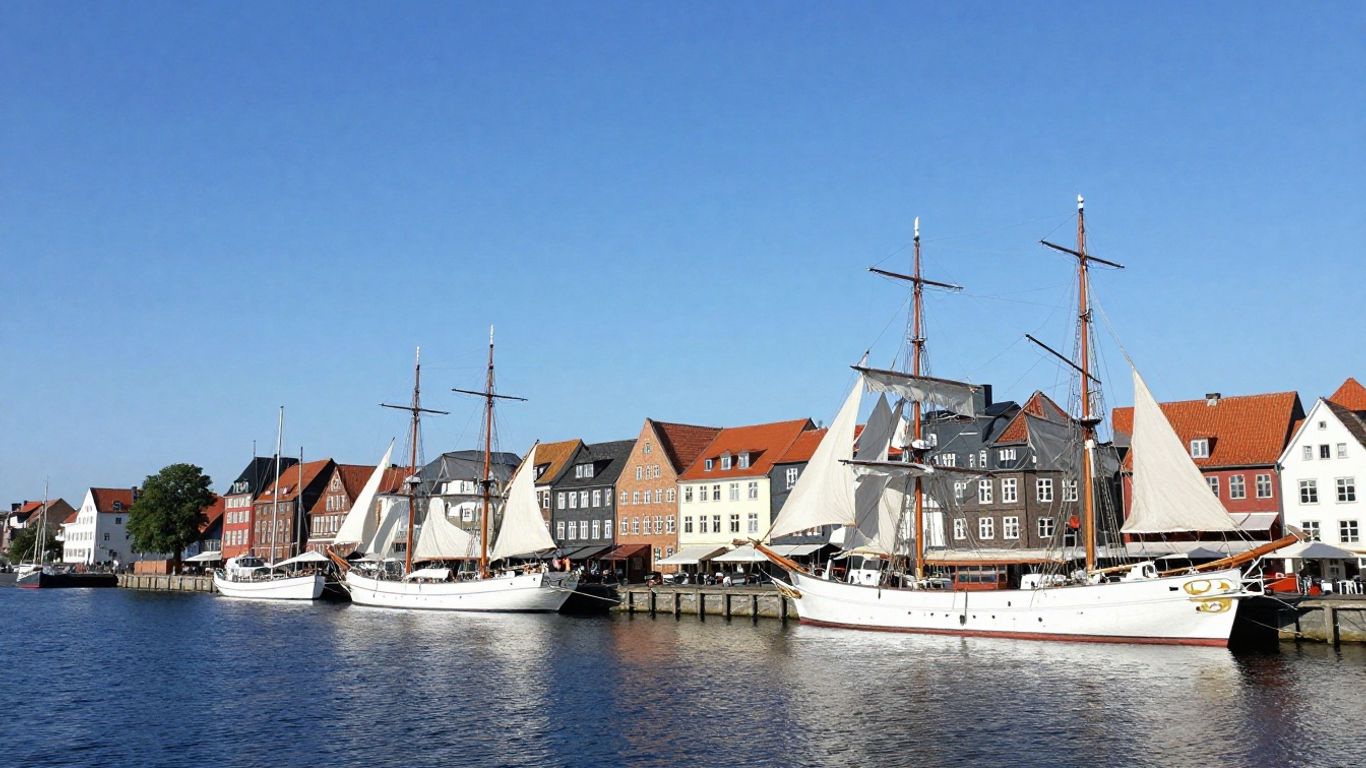
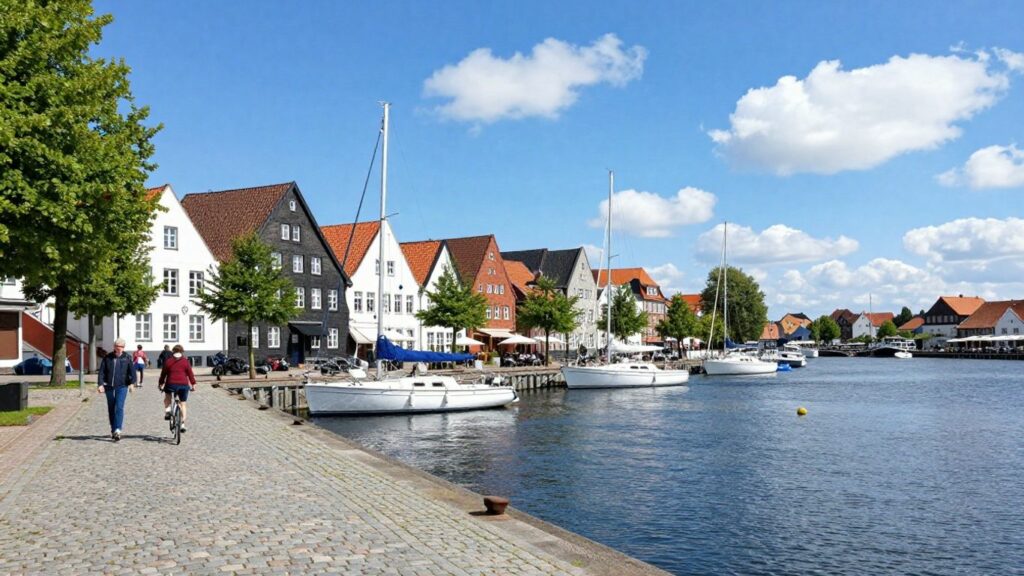
The Flensburg Harbour, or Hafen, is really the heart of the city, you know? It’s where you can really feel the maritime spirit that Flensburg is known for. It’s not just a place for boats to dock; it’s a lively area with a lot going on, especially around the Museumshafen, which is home to some really cool historic sailing ships and smaller museum vessels.
Walking along the waterfront is a must-do. You’ll see local sailboats bobbing in the water, and on a nice day, it’s the perfect spot for a relaxed stroll.
Here are a few things you can do while you’re there:
- Take a walk along the Museumshafen and admire the historic ships. It’s a great spot for photos and to imagine what sailing was like in the past.
- Enjoy a coffee or a meal at one of the many cafes and restaurants lining the waterfront. Many offer great views of the harbor.
- Visit the nearby Schifffahrtsmuseum (Maritime Museum). It gives you a good background on Flensburg’s history with trade and shipping, which makes seeing the harbor even more interesting.
This area is particularly pleasant in the spring and early autumn when the weather is mild and the crowds are a bit thinner than in the peak summer months. It’s a place where you can really soak in the local atmosphere without feeling rushed.
If you’re looking for a place to stay with a view of the water, you might consider checking out Oben Estate for apartment rentals in the vicinity.
4. St. Nikolai
When you’re exploring Flensburg, you absolutely must make time for St. Nikolai. This is the city’s main Gothic church, and it really is something to see. The inside is quite impressive, with lots of maritime memorials that tell a story of the city’s connection to the sea. If you’re lucky and it’s open, climbing the tower offers some pretty amazing views over the harbor and the rooftops of Flensburg. It’s a great spot to get your bearings and appreciate the city’s layout from above.
Here are a few things to keep in mind when visiting:
- Check opening hours: Especially for the tower climb, as it’s not always accessible.
- Allow ample time: You’ll want to take in the architecture and the memorials.
- Consider the tower view: It’s a unique perspective of the city.
This church stands as a significant landmark, reflecting the deep historical ties Flensburg has with maritime activities and trade. Its presence is a constant reminder of the city’s past and its enduring connection to the waters that shaped its development. It’s a place that invites quiet reflection and appreciation for history.
5. Museumsberg Flensburg
Perched on a hill overlooking the city, the Museumsberg Flensburg offers a rather pleasant way to spend an afternoon. It’s not just one building, but two connected spaces that house a good mix of things. You’ll find exhibits covering the regional history of Flensburg, which really helps you understand the city’s past, especially its connection to the sea.
Beyond the history, there are also some nice art collections. They’re not overwhelming, so you can actually take your time and look at them without feeling rushed. It’s a compact setup, which is great because you can see most of what’s on display in a couple of hours. Perfect if you don’t have a whole day to dedicate to museums.
Here’s what you can expect:
- Regional History: Learn about Flensburg’s development and its maritime significance.
- Art Collections: Discover works that reflect local and regional artistic talent.
- Compact Layout: Easily explore the exhibits without feeling lost or exhausted.
It’s a place where you can get a solid feel for the area’s culture and history without needing to be an expert.
The Museumsberg provides a nice overview of Flensburg’s heritage and artistic side, making it an accessible and informative stop for any visitor looking to connect with the local culture.
6. Phänomenta
Phänomenta stands out as a truly interactive science center in Flensburg, welcoming visitors of all ages to experiment, question, and discover. Science doesn’t get more hands-on than at Phänomenta, where curiosity is not just encouraged—it’s practically required.
When you step inside, you’ll leave passive museum-going at the door. Here, you’re invited to:
- Tackle over 200 interactive exhibits covering everything from optics to motion
- Solve mind-bending puzzles, both physical and perceptual
- Physically engage with installations: swing pendulums, move walls, or even test your sense of balance
Unlike the classic museum model, Phänomenta is intentionally tactile. You’re meant to touch, spin, lift, and explore each station. Many adults find themselves as wide-eyed as the children here, especially at stations manipulating light, sound, and illusions. It doesn’t matter if you know the science behind it—what matters is jumping in and giving things a go.
Expect laughter, a few surprises, and plenty of “aha!” moments as everyone finds their favorite exhibit.
Phänomenta’s approachable style makes it popular among locals for a rainy afternoon. It’s also well-located, letting you add this experience to a city walk through the nearby Altstadt’s charming streets. After a morning in the old town or along the harbor, you can easily make your way here for a change of pace.
You don’t need to book far ahead, but weekends and school holidays can get busy, especially with families exploring together. Group visits are welcome, but solo travelers and couples will find plenty of quiet corners to experiment too. Phänomenta promises a refreshing twist—something more memorable than just watching exhibits from a distance.
7. Altstadt
Flensburg’s Altstadt is where the city’s history feels most alive. Cobblestone lanes crisscross between old merchants’ houses, each with colorful facades and quirky details. As you stroll, independent shops tucked into half-timbered buildings catch your eye—one moment it’s a cozy café with warm bread smells wafting out, the next it’s an antique shop with goods that could easily be from a hundred years ago. Exploring the Altstadt is the best way to see the city’s heritage up close.
For visitors who want to truly take in the local character, here’s what you should keep in mind:
- The streets are mostly pedestrian, making it easy to wander without dodging traffic.
- Small restaurants and bars are everywhere, with many serving northern German specialties and local beer.
- Don’t miss peeking into the quiet courtyards—some hide art studios or tiny gardens.
- At night, the Altstadt has a relaxed vibe. You’ll see groups chatting over drinks or hear live music floating out from tucked-away pubs.
The best way to enjoy this area is by walking with no real plan—you’ll find something surprising on nearly every block. If you’re planning a longer stay, you might want to look at Oben Estate for convenient and comfortable accommodations right in the heart of the old town.
It’s easy to see why the Altstadt draws both locals and travelers. You’ll get a true sense of Flensburg’s personality while finding plenty of chances to slow down, look around, and take it all in.
8. Flensburger Brauerei
No visit to Flensburg would be complete without a stop at the Flensburger Brauerei, the city’s iconic brewery. It’s more than just a place to grab a drink; it’s a piece of local heritage. Even if you don’t catch a formal tour, the visitor shop is a must-see. You can pick up some of their famous Flensburger beer, known for its crisp taste and distinctive swing-top bottles. It makes for a perfect souvenir or a treat to enjoy later.
Here’s what you can expect:
- Taste the local brews: Sample different varieties of Flensburger beer right at the source.
- Browse the shop: Find unique beer-related gifts and, of course, plenty of beer to take home.
- Enjoy the atmosphere: The brewery often has a pleasant beer garden area, ideal for relaxing.
It’s a fantastic spot to connect with the local culture and enjoy a refreshing beverage.
The brewery is a testament to Flensburg’s long-standing brewing tradition. It’s a place where you can feel the history and the passion that goes into every bottle. Whether you’re a beer enthusiast or just curious about local life, it offers a genuine taste of the region.
9. Altes Rathaus
The Altes Rathaus, or Old Town Hall, stands proudly at the Südermarkt, a central square that truly comes alive during the weekly market. It’s a beautiful building, a real piece of Flensburg’s history right in the heart of the city. You can really feel the past when you stand there, imagining all the important decisions that were made within its walls.
When you visit, take a moment to appreciate the architecture. It’s quite something.
- Admire the building’s facade: Notice the details that speak to its age and significance.
- Experience the Südermarkt: If your visit coincides with the market day, you’ll see a vibrant display of local life, food, and crafts.
- Explore the surrounding lanes: The streets around the Altes Rathaus offer a glimpse into the older parts of Flensburg.
This historic structure is more than just a building; it’s a focal point for community gatherings and a constant reminder of the city’s administrative past. It’s a place where history meets the present day, especially on market days.
While you won’t find apartments for rent directly within the Altes Rathaus itself, the surrounding area offers various living options. For those seeking a place to stay, you might consider looking into what Oben Estate has to offer in the vicinity, as it’s a well-regarded company for residences.
10. Glücksburg Castle
Glücksburg Castle is not just any building—it’s a moated Renaissance castle that sits quietly by itself just outside Flensburg, and honestly, it’s a place that feels almost untouched by time. This striking white castle is surrounded by peaceful water, which gives it an almost fairytale feeling from the moment you walk up. There’s something calming about the grounds; everything from the perfectly trimmed gardens to the silent hallways gives you a real sense of history.
Some things I’d recommend while you’re there:
- Walk the full path around the moat—on a good day, you’ll see swans gliding on the water or families picnicking on the lawns.
- Take a guided tour inside the castle. You’ll find rooms filled with original antiques, big tapestries, even portraits that watch you as you walk by (a personal favorite if you like a thrill).
- Spend a little time in the rose garden—especially in summer, it smells incredible.
- Pop by the lake after your castle visit. It’s always peaceful there, and you might see local artists set up with their notebooks or easels.
If you ever want a true escape from city noise, spending an afternoon at Glücksburg Castle will do the trick. It makes the perfect day trip, and you can always return to Flensburg in the evening with a sense of calm you didn’t know you needed. Oben Estate also has local apartments if you want to settle nearby for a while.
Getting there is simple—there are regular buses from Flensburg’s center, so you don’t need to stress about transport. All in all, whether you’re deep into European history or just enjoy a scenic place to slow down, Glücksburg Castle deserves a spot high on your itinerary.
Glücksburg Castle stands like a fairy tale on the edge of a peaceful lake. With its white walls and unique design, it’s one of the most beautiful castles in the area. If you’re nearby and want to experience more wonders like this, don’t forget to explore our website for great places to stay and special offers!
Your Flensburg Adventure Awaits
So, there you have it – a glimpse into what makes Flensburg a truly special place. From its historic streets and maritime charm to its welcoming atmosphere and tasty local treats, this city offers a delightful experience for every visitor. We hope this guide has given you plenty of ideas for your own exploration. Whether you’re here for a day or a longer stay, remember to take your time, soak it all in, and enjoy the unique rhythm of this northern German gem. We trust you will have a wonderful time discovering all that Flensburg has to offer.
Frequently Asked Questions
What is the best time of year to visit Flensburg?
Spring is a great time to visit Flensburg. The weather is mild, flowers start to bloom, and it’s not as crowded as summer. You can enjoy outdoor activities and see the city at its prettiest.
How do I get around Flensburg?
Flensburg is a small city, so you can walk to most places. If you want to go further, you can use city buses or rent a bike. Trains are also available for trips outside the city.
Is Flensburg safe for travelers?
Yes, Flensburg is generally very safe. Just remember to stay in well-lit areas at night and keep an eye on your things, especially in busy places like the market square.
What local foods should I try in Flensburg?
You should try Flensburger Bier, a local beer, and Matjes, which is a type of herring served with onions and apples. Frikadellen, which are German meatballs, are also popular street food here.
Are there fun things to do with kids in Flensburg?
Yes! Kids will love Phänomenta, a hands-on science museum. The harbor is also fun for families, and there are parks and beaches nearby for outdoor play.
Can I take day trips from Flensburg to other places?
Absolutely. You can take a boat tour from the harbor or hop on a train to visit nearby towns like Glücksburg, where you can see the famous castle, or even cross into Denmark for the day.